Glossary

What is Muscle Strain?

Muscle Strain is an injury that occurs when muscle fibers stretch too far or tear due to overuse, sudden force. Or improper movement. Muscle Strain often causes pain, swelling. And limited movement in the affected area. It commonly affects muscles in the back, neck, shoulders. And legs, especially during physical activity or heavy lifting.

Reviewed by Advanced Injury Care ClinicSources reviewed: American Academy of Orthopaedic Surgeons, Mayo Clinic

Quick Facts About Muscle Strain

Category

Soft tissue injury

Used for

Diagnosing muscle overuse or trauma

Common confusion

Often mistaken for ligament sprains or joint injuries

Also called

Pulled muscle, Muscle pull

Often discussed with

Back Pain Treatment, Work Injury Treatment

Key Takeaways About Muscle Strain

Understanding Muscle Strain

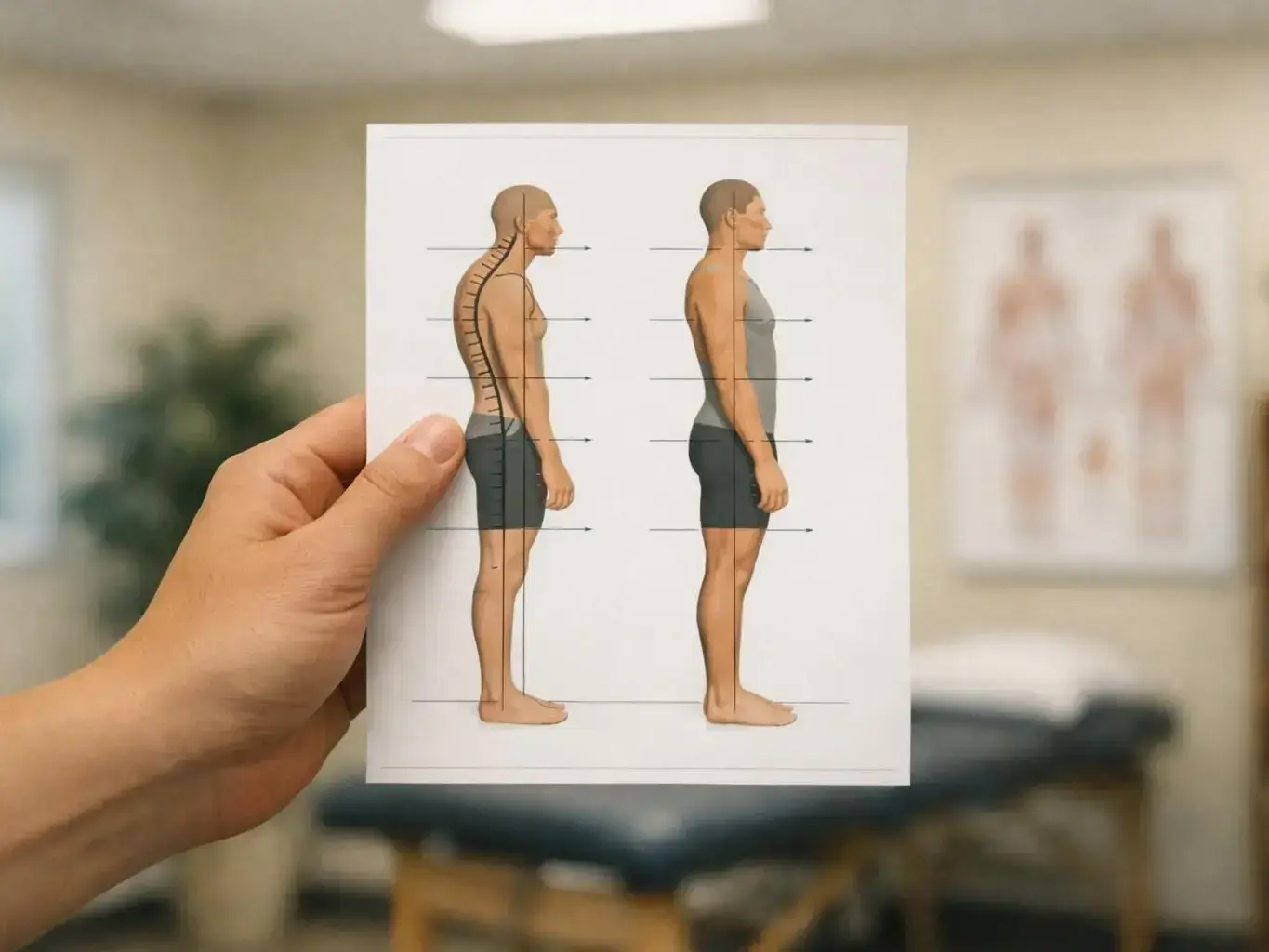
Muscle Strain in Chiropractor: Muscle Strain is an injury that occurs when muscle fibers stretch too—visual guide

Muscle strain is a common injury. It happens when muscles stretch too far. They can also tear.

Related glossary terms: Ligament Sprain, Soft Tissue Therapy, Physical Rehabilitation.

This often occurs during activities. Lifting heavy things can cause it. Playing sports can too.

Sudden movements can hurt muscles. The injury can be mild or severe. Mild strains hurt a little.

Severe strains tear muscles completely. Most strains happen in busy areas. These include the back, neck. And legs.

Muscles have fibers. These fibers move when they tighten or relax. They help you move.

If fibers stretch too far, they get hurt. They can also get hurt if they move too fast. This causes pain and swelling.

Bruising can happen too. Muscle strains are not like sprains. Sprains hurt joints, not muscles.

The strain's badness depends on tears. It also depends on how deep the injury goes.

How Muscle Strain Is Classified and Diagnosed?

Doctors sort strains into three grades. Grade 1 is mild. It hurts a little and weakens you just a bit.

Grade 2 is worse. It has bigger tears. It causes more pain and swelling.

You may lose some muscle use. Grade 3 is the worst. The muscle tears completely.

It causes very bad pain. You can't use the muscle at all.

Doctors check for strains with exams. They look for pain and swelling. They test how well you can move.

Sometimes, they use tests like ultrasound. An MRI can also help. These tests take pictures inside your body.

They show where the strain is. They help rule out broken bones or sprains. This helps plan your treatment.

Why Muscle Strain Matters?

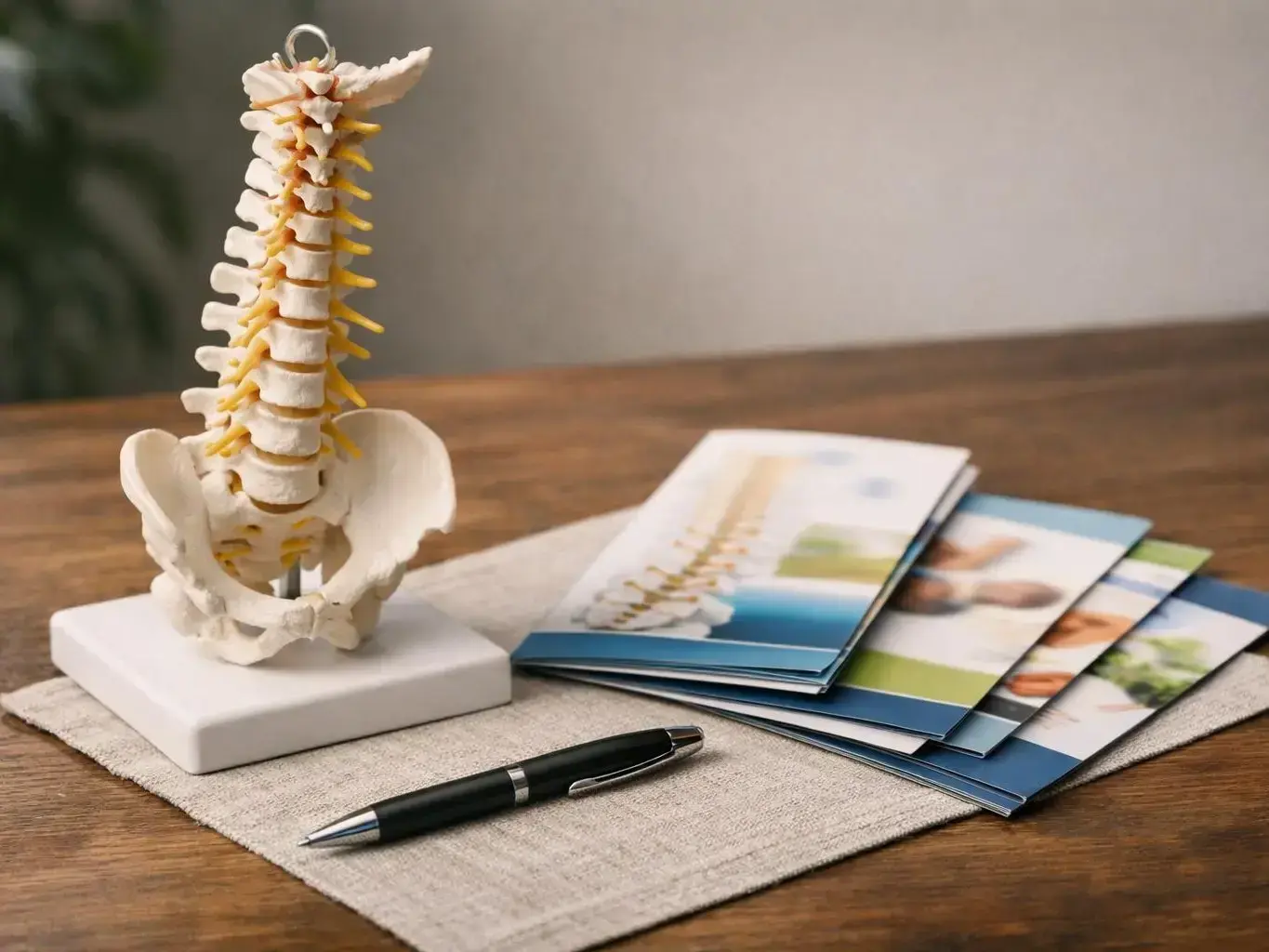
How Muscle Strain applies to Chiropractor services in Hendersonville, United States—practical illustration

Muscle strains matter a lot. They can stop you from doing daily tasks. Even small strains can hurt.

They make it hard to lift or bend. Walking can be tough too. Strains can keep athletes from playing sports.

Workers may miss work. This can hurt their pay. Going back too soon can make things worse.

It can cause long-term pain. It can also lead to more injuries. Recovery takes longer then.

Good care stops problems. Without rest, strains get worse. Muscles can get weak.

Scar tissue can form. This makes muscles stiff. It can lead to more strains later.

Early care helps you heal. It keeps problems from lasting long. You can get back to normal faster.

When Muscle Strain Matters Most?

Strains happen most during quick moves. They also happen with repeated moves. Athletes are at high risk.

Sports like basketball cause strains. So do soccer and lifting weights. Workers can get strains too.

Jobs like construction can hurt muscles. So can landscaping. Lifting heavy things over and over causes strains.

Even small tasks can hurt. Carrying groceries can cause strains. So can moving furniture.

Back and neck strains matter most. They limit how you move. Pain can spread to arms or legs.

People in Hendersonville, TN, love outdoors. Hiking and gardening are popular. So are sports.

Knowing about strains helps. You can stay active without pain. You won't have to stop fun things.

Know the signs of strains. Pain and swelling are clues. Weakness is too.

If pain lasts days, see a doctor. Get help after bad falls too. Car accidents can hurt muscles.

Chiropractors can help. So can physical therapists. They use special treatments.

These include soft tissue therapy. They also use adjustments. Rehab exercises help too.

How to Evaluate Muscle Strain?

Related Concepts Compared

Muscle Strain vs. Ligament Sprain

A ligament sprain involves overstretched or torn ligaments, which connect bones at joints. While Muscle Strain affects the muscle fibers themselves.

Muscle Strain vs. Muscle Spasm

Muscle spasms are sudden, involuntary contractions of a muscle, often caused by fatigue or dehydration. While Muscle Strain involves tearing or overstretching of muscle fibers.

Expert Note

Muscle Strains often heal well with conservative care. But recurring strains may indicate underlying muscle imbalances or poor movement patterns that need targeted rehabilitation to prevent future injuries.

Common Mistakes or Myths About Muscle Strain

  • Ignoring mild Muscle Strain pain and continuing activity, which can worsen the injury.
  • Confusing Muscle Strain with joint or ligament injuries, leading to incorrect treatment.
  • Using heat too soon after injury, which can increase swelling instead of reducing it.
  • Skipping warm-up or stretching before physical activity, increasing the risk of strain.
  • Returning to full activity too quickly, before the muscle is fully healed.

Muscle Strain in Practice: A Real-World Example

A gardener in Hendersonville, TN, lifts a heavy bag of mulch without bending their knees, feeling a sharp pain in their lower back. The next day, they notice swelling and stiffness, making it difficult to stand up straight. A chiropractor evaluates the injury and confirms a Muscle Strain, recommending rest, ice. And gentle stretching to aid recovery.

Sources & Further Reading on Muscle Strain

  • American Academy of Orthopaedic Surgeons
  • Mayo Clinic
  • National Institute of Arthritis and Musculoskeletal and Skin Diseases

Related Services

Related Terms

Ligament Sprain

Ligament Sprain is an injury to a ligament, the tough band of tissue connecting bones at joints. Ligament sprains occur when a joint is forced beyond its normal range, stretching or tearing the ligament fibers. Common in ankles, knees. And wrists, sprains cause pain, swelling.

Soft Tissue Therapy

Soft Tissue Therapy is a hands-on treatment that targets muscles, tendons, ligaments. And fascia to reduce pain, improve mobility. And speed recovery from injuries. Soft Tissue Therapy techniques include massage, stretching. And pressure to break up scar tissue, ease tension.

Physical Rehabilitation

Physical Rehabilitation is a medically supervised process that helps individuals regain movement, strength. And function after injury, surgery. Or illness. Physical Rehabilitation uses exercises, stretches, manual therapy. And education to reduce pain, restore mobility. And prevent future problems. It's tailored to each person’s condition and goals, often involving a team of healthcare providers.

Acute Pain

Acute Pain is sudden, sharp discomfort that lasts less than three to six months and acts as a warning signal from the body. Acute Pain typically results from injury, surgery. Or illness and disappears once the underlying cause heals. Unlike chronic pain, it has a clear start and end point.

Myofascial Release

Myofascial Release is a hands-on therapy that gently stretches and loosens the fascia, the thin layer of connective tissue surrounding muscles, bones. And organs. This technique helps reduce pain, improve movement. And restore function by releasing tight or restricted areas caused by injury, stress. Or poor posture. It's often used alongside chiropractic care to enhance recovery and flexibility.

Advanced Injury Care Clinic

Have Questions About Muscle Strain?

Contact Advanced Injury Care Clinic for practical guidance on Muscle Strain and related chiropractor work in Hendersonville.

+1 615-777-0624