Understanding Non-Steroidal Anti-Inflammatory Drugs
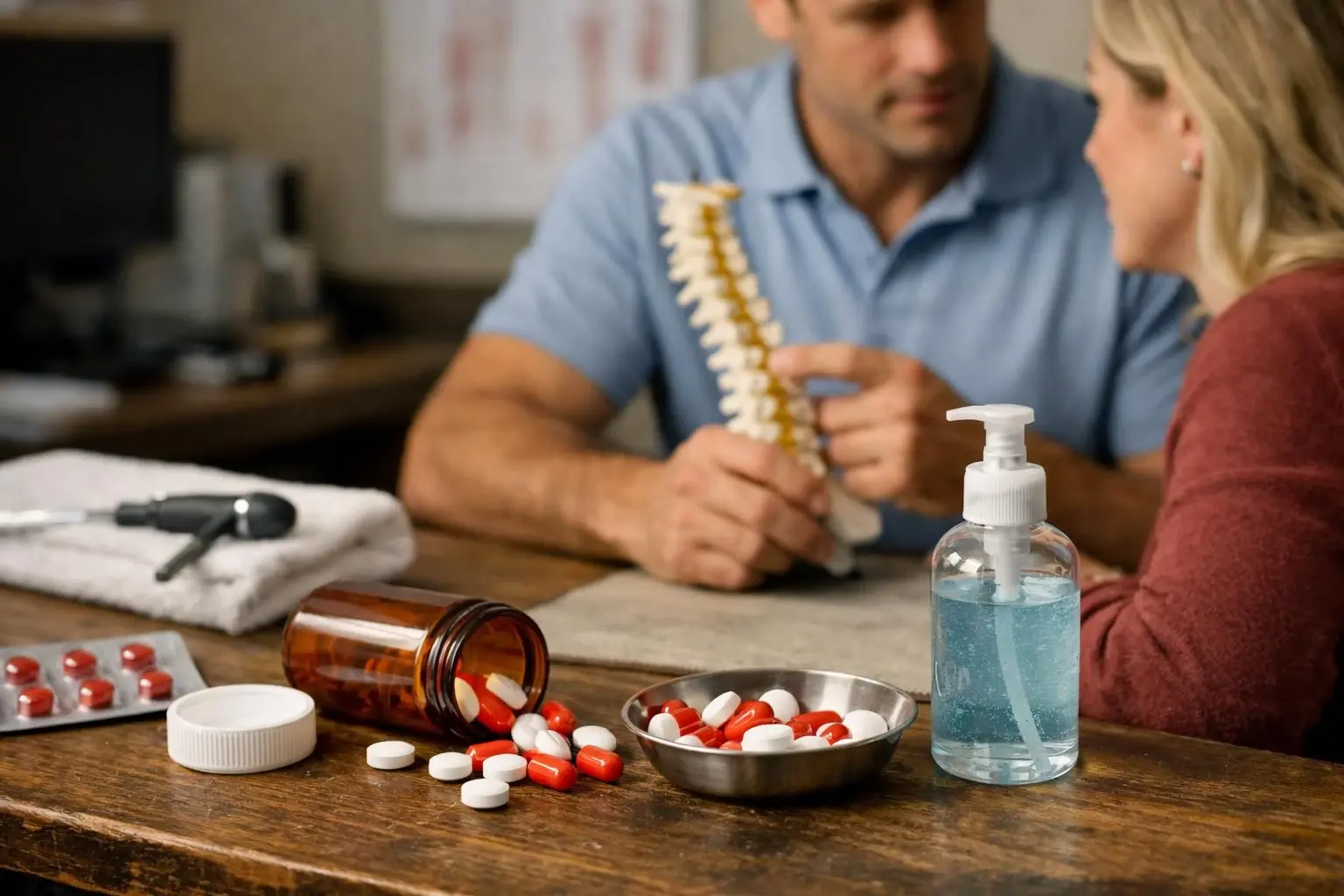
NSAIDs are drugs that help with pain. They also lower swelling and fever. They treat headaches, muscle aches. And arthritis.
NSAIDs don't work like steroids. Steroids can have bad side effects. NSAIDs block enzymes that cause pain and swelling.
Many people use them for short-term relief. They help with mild to moderate pain. They are a popular choice.
You can buy NSAIDs without a prescription. Stronger ones need a doctor's order. Common ones are ibuprofen, aspirin. And naproxen.
Ibuprofen is sold as Advil or Motrin. Naproxen is sold as Aleve. Prescription NSAIDs like celecoxib help with severe pain.
These drugs work well for many people. But they aren't safe for everyone. Some health conditions or medicines don't mix with NSAIDs.
How Non-Steroidal Anti-Inflammatory Drugs Work?
NSAIDs block two enzymes in your body. These enzymes are called COX-1 and COX-2. They make chemicals that cause pain and swelling.
When NSAIDs block these enzymes, pain goes down. Swelling goes down too. For example, ibuprofen helps headaches this way.
Different NSAIDs block enzymes in different ways. Aspirin blocks both COX-1 and COX-2. Celecoxib mostly blocks COX-2.
COX-1 also protects your stomach. That's why some NSAIDs hurt your stomach. COX-2 drugs were made to lower this risk.
But COX-2 drugs can still cause problems. They may affect your heart or blood pressure. Always check with your doctor first.
Why Non-Steroidal Anti-Inflammatory Drugs Matter?

NSAIDs help manage pain without strong drugs. They ease everyday aches and pains. This lets people keep up with daily tasks.
They also help with long-term conditions like arthritis. Swelling can damage joints over time. NSAIDs can stop this damage.
They help people move better. They improve life for those with arthritis. This makes NSAIDs very important.
But NSAIDs have risks too. They're safe for short-term use. Long-term use can cause stomach ulcers or kidney problems.
They can also raise heart attack or stroke risk. Always use them as directed. Talk to a doctor if you need them for a long time.
Knowing how NSAIDs work helps you use them safely. You can make better choices about pain relief. That's what you need to know.
When Non-Steroidal Anti-Inflammatory Drugs Matters Most?
NSAIDs help when pain or swelling gets in the way. They reduce pain after an injury. This helps you start therapy sooner.
They also help with arthritis flare-ups. Swelling causes stiffness and pain. NSAIDs can ease this.
After surgery or dental work, NSAIDs help too. They ease pain while you heal. But use them wisely.
Taking NSAIDs before a chiropractor visit isn't always good. They can hide pain that tells you something's wrong. Always talk to your doctor first.
If you have other health problems, be careful. NSAIDs may not mix with your medicines. Your doctor can help you decide what's best.