Glossary

What is Physical Rehabilitation?

Physical Rehabilitation is a medically supervised process that helps individuals regain movement, strength. And function after injury, surgery. Or illness. Physical Rehabilitation uses exercises, stretches, manual therapy. And education to reduce pain, restore mobility. And prevent future problems. It's tailored to each person’s condition and goals, often involving a team of healthcare providers.

Reviewed by Advanced Injury Care ClinicSources reviewed: American Physical Therapy Association, National Institutes of Health - Rehabilitation

Quick Facts About Physical Rehabilitation

Category

Therapeutic healthcare process

Used for

Injury recovery, surgery recovery, chronic pain management

Common confusion

Often mistaken for physical therapy alone. But includes broader care

Also called

Rehabilitation, Rehab

Often discussed with

Car Accident Injury Treatment, Work Injury Treatment

Key Takeaways About Physical Rehabilitation

Understanding Physical Rehabilitation
Physical Rehabilitation in Chiropractor: Physical Rehabilitation is a medically supervised process that helps individuals...

Physical Rehabilitation is a structured approach to helping people recover from physical setbacks. These setbacks can come from injuries like sprains or fractures, surgeries like joint replacements. Or illnesses like strokes. The goal is to help individuals return to their daily activities, work. Or sports with less pain and better function. Unlike passive treatments that rely only on medication or rest, Physical Rehabilitation actively involves the patient through movement and education.

Related glossary terms: Chiropractic Adjustment, Soft Tissue Therapy, Myofascial Release.

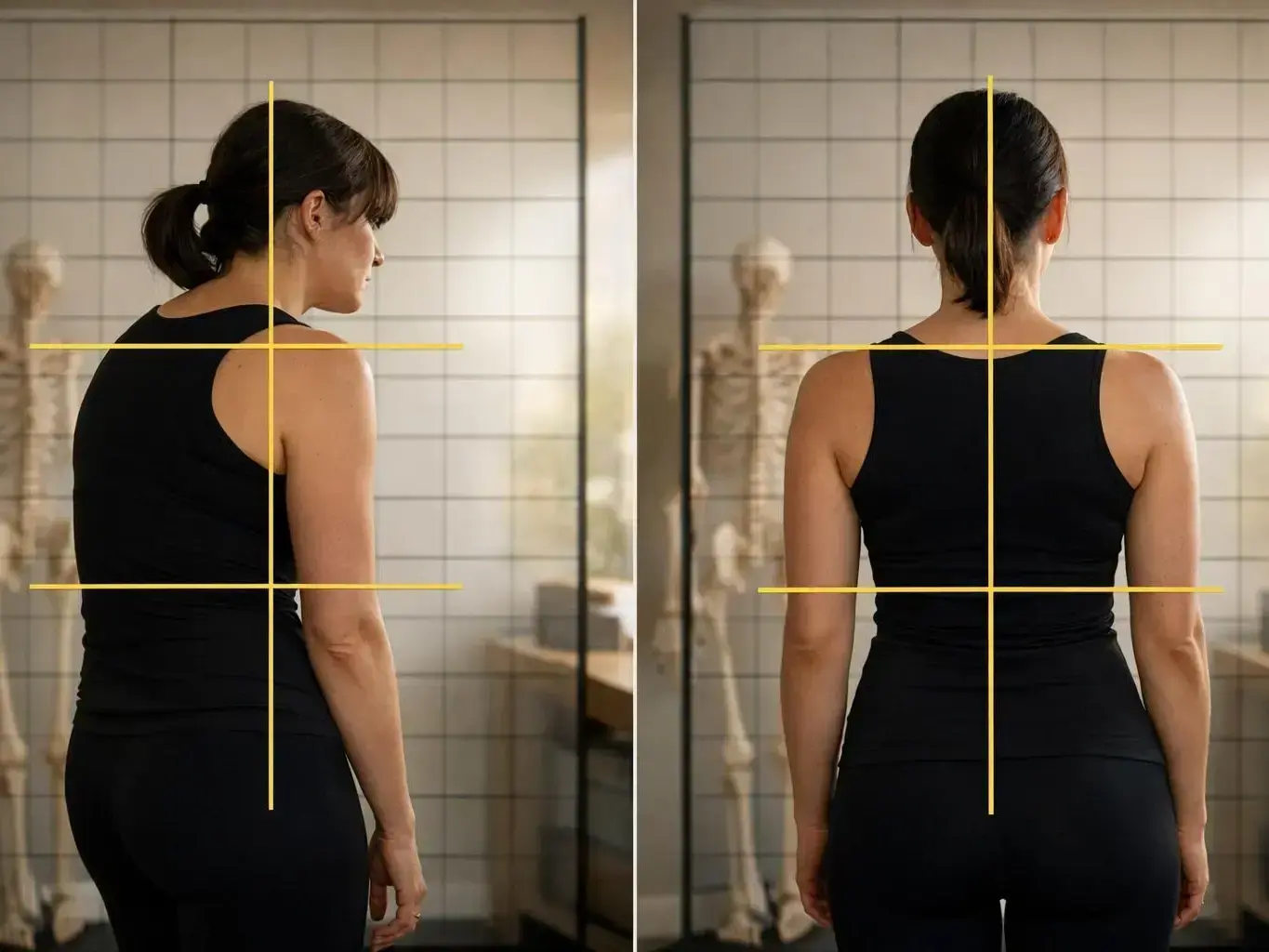
Rehabilitation programs are not one-size-fits-all. A healthcare team, which may include doctors, physical therapists, chiropractors. And occupational therapists, designs a plan based on the patient’s specific needs. For example, someone recovering from a knee injury may focus on strengthening leg muscles. While someone with back pain may work on posture and core stability. The process often includes exercises, stretches, manual therapy. And education on how to move safely to avoid reinjury.

How Physical Rehabilitation Works?

Physical Rehabilitation works by addressing the root causes of physical limitations. When an injury or illness disrupts normal movement, the body can develop compensations—like limping or favoring one side—that lead to further problems. Rehabilitation helps retrain the body to move correctly, reducing strain on injured areas. For instance, after a shoulder injury, gentle exercises can restore range of motion. While resistance training builds strength in the surrounding muscles.

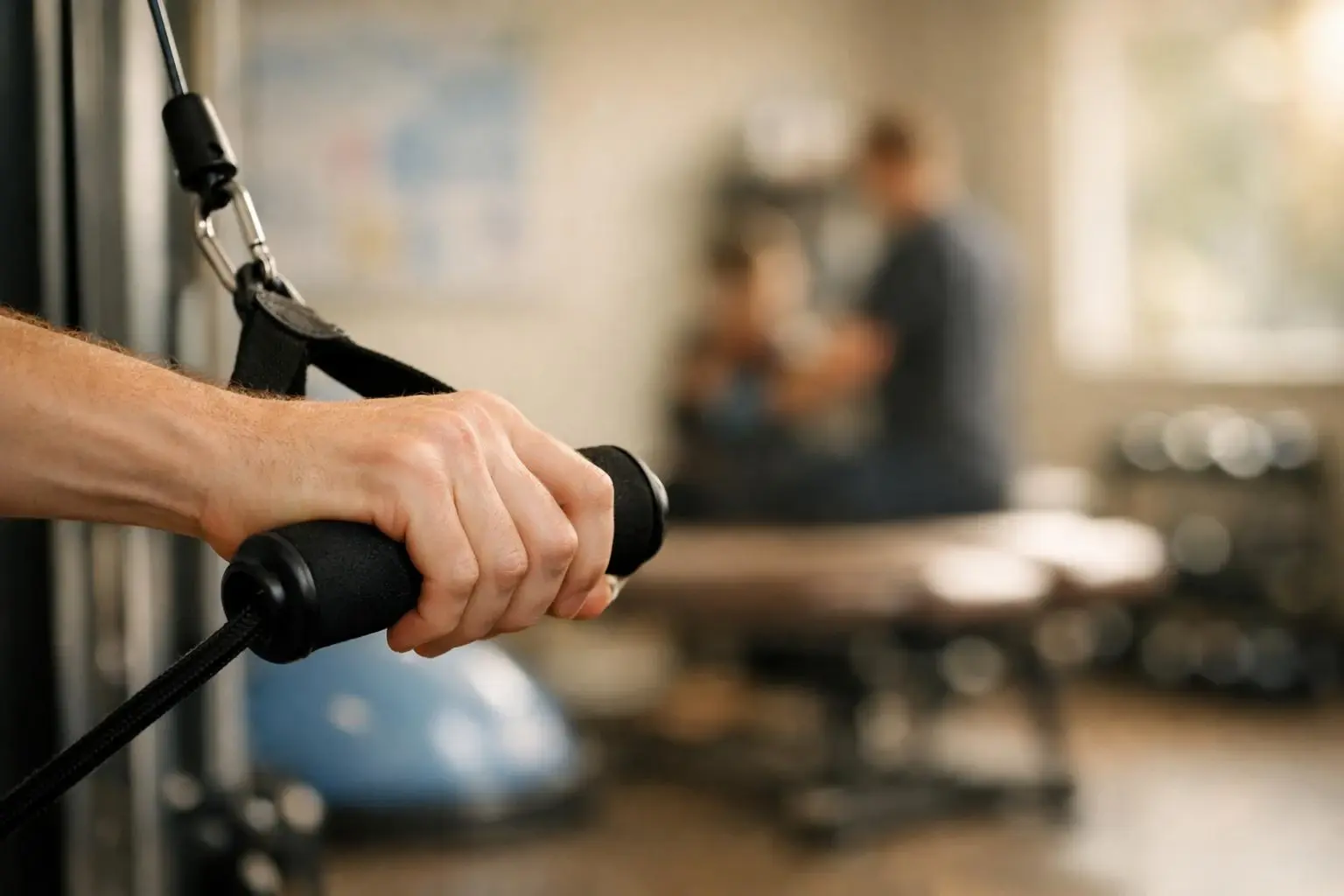
The process typically begins with an assessment to identify weaknesses, imbalances. Or movement restrictions. Based on these findings, the healthcare provider sets measurable goals, such as walking without pain or lifting a certain amount of weight. Progress is tracked through regular check-ins. And the plan is adjusted as the patient improves. Tools like resistance bands, balance boards. And therapeutic machines may be used to support recovery. Education is also a key part—patients learn how to perform exercises at home and modify daily activities to protect their bodies.

Why Physical Rehabilitation Matters?
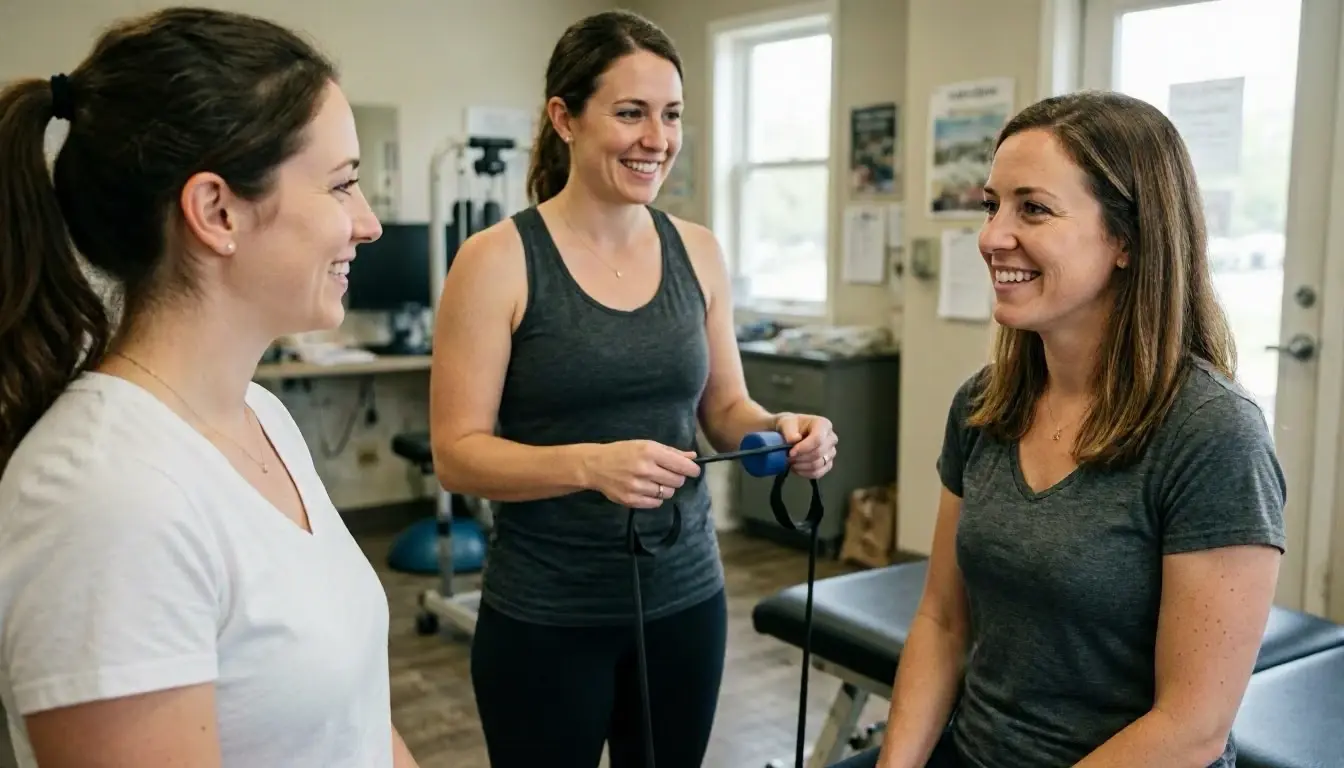
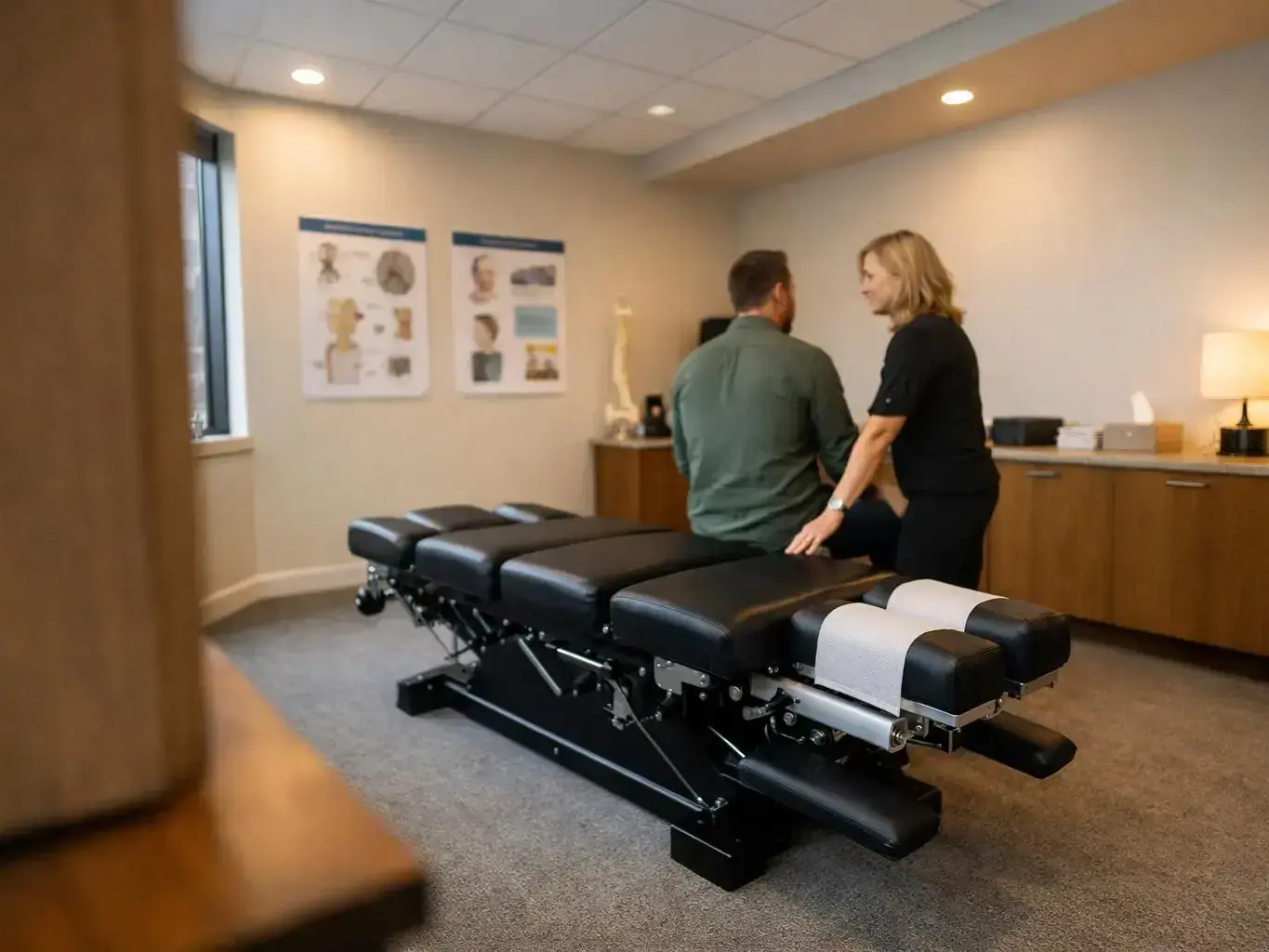
How Physical Rehabilitation applies to Chiropractor services in Hendersonville, United States—practical illustration

Physical Rehabilitation matters because it helps people regain independence and quality of life. Without it, injuries or surgeries can lead to long-term pain, weakness. Or disability. For example, someone with a back injury who skips rehabilitation may develop chronic pain or recurring problems. While someone who completes a structured program is more likely to return to normal activities without ongoing issues.

Rehabilitation also plays a role in preventing future injuries. By improving strength, flexibility. And movement patterns, the body becomes more resilient. This is especially important for athletes, workers with physically demanding jobs. Or older adults at risk of falls. And rehabilitation can reduce the need for pain medications or additional surgeries, which lowers healthcare costs and risks. When done correctly, it empowers patients to take an active role in their recovery.

When Physical Rehabilitation Matters Most?

Physical Rehabilitation is most important after significant physical changes, such as injuries, surgeries. Or illnesses that affect movement. Common situations include recovering from a car accident, sports injury, joint replacement. Or stroke. It's also valuable for managing chronic conditions like arthritis, back pain. Or nerve damage, where ongoing therapy can improve function and reduce flare-ups.

Timing is critical. Starting rehabilitation early, often within days or weeks of an injury or surgery - can lead to better outcomes. Delaying care may allow stiffness, weakness. Or bad movement habits to set in, making recovery harder. But rehabilitation can still help even years after an injury. For example, someone with long-standing back pain may benefit from a structured program to improve mobility and reduce discomfort. The key is consistency; following the plan and staying engaged with the process leads to the best results.
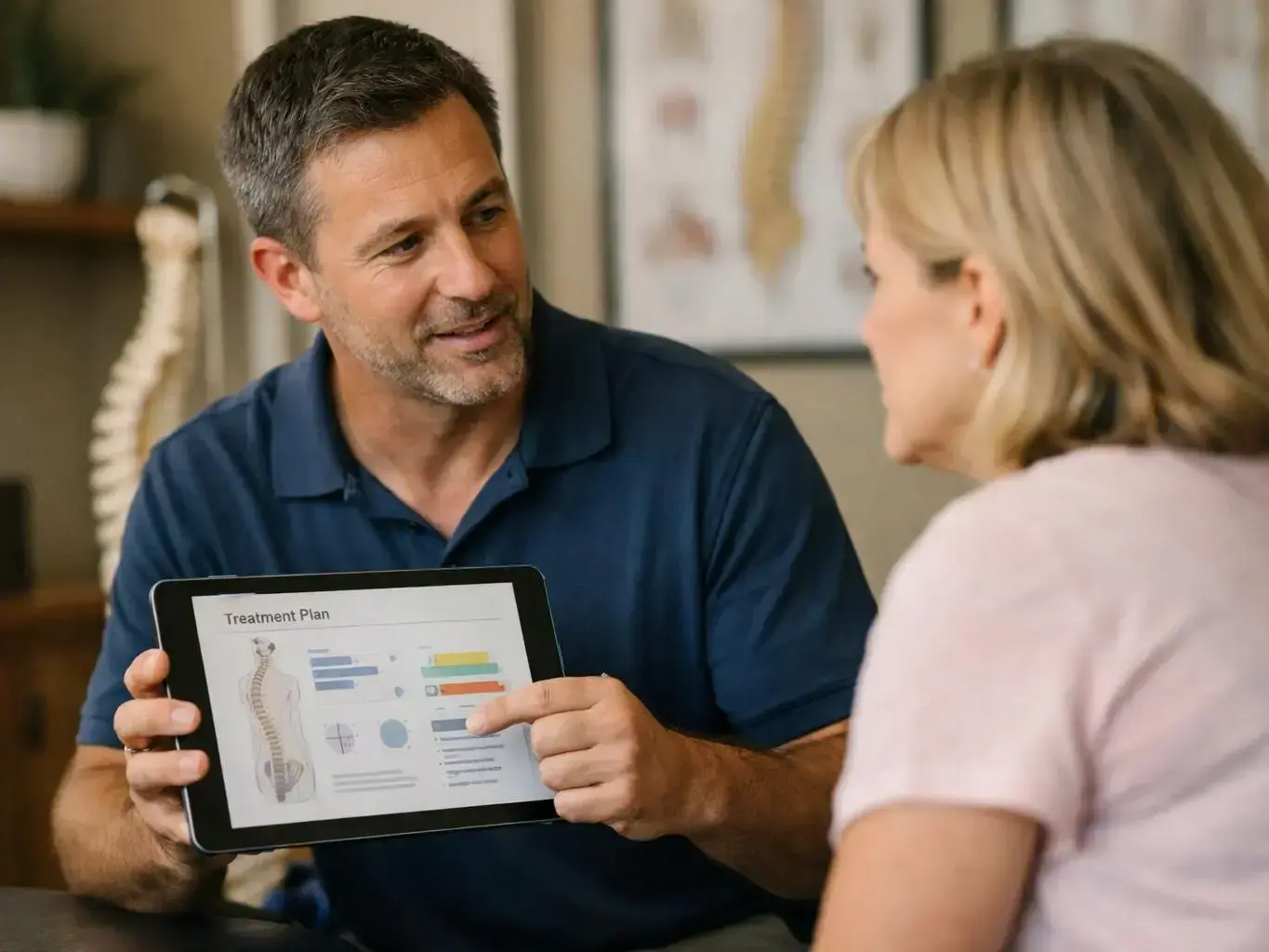

How to Evaluate Physical Rehabilitation?

Related Concepts Compared

Physical Rehabilitation vs. Physical Therapy

Physical Therapy is a type of Physical Rehabilitation focused on exercises and hands-on techniques. While Physical Rehabilitation may include broader care like chiropractic adjustments or occupational therapy.

Physical Rehabilitation vs. Chiropractic Care

Chiropractic Care focuses on spinal alignment and joint function. While Physical Rehabilitation addresses overall strength, mobility. And recovery from injuries or surgeries.

Physical Rehabilitation vs. Occupational Therapy

Occupational Therapy helps people perform daily tasks like dressing or cooking. While Physical Rehabilitation focuses on movement, strength. And pain reduction.

Expert Note

Physical Rehabilitation is not just about recovering from an injury—it’s about teaching the body how to move safely and efficiently to prevent future problems. A well-designed program balances hands-on care with patient education for long-term success.

Common Mistakes or Myths About Physical Rehabilitation

  • Assuming Physical Rehabilitation is only for athletes or severe injuries—it helps with everyday pain too.
  • Skipping at-home exercises because they seem too simple—consistency is key to recovery.
  • Expecting instant results—rehabilitation is a gradual process that takes time.
  • Ignoring pain during exercises—some discomfort is normal. But sharp pain means stopping.

Physical Rehabilitation in Practice: A Real-World Example

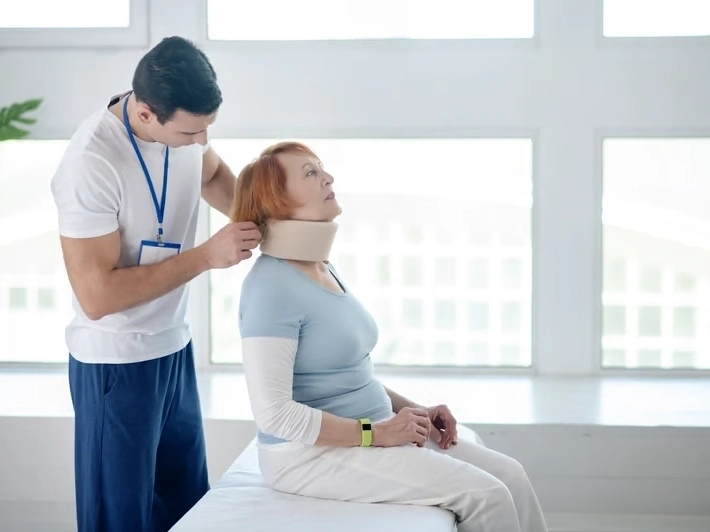
After a car accident, a patient with whiplash may start Physical Rehabilitation to reduce neck pain and stiffness. The plan includes gentle stretches, posture exercises. And manual therapy to restore movement. Over weeks, the patient regains full range of motion and learns how to avoid straining their neck during daily activities.

Related Services

Related Terms

Chiropractic Adjustment

Chiropractic Adjustment is a hands-on procedure where a licensed chiropractor applies controlled force to a specific joint in the spine or other body part. The goal is to improve alignment, reduce nerve irritation. And restore normal motion. Adjustments are commonly used to relieve back pain, neck pain, headaches.

Soft Tissue Therapy

Soft Tissue Therapy is a hands-on treatment that targets muscles, tendons, ligaments. And fascia to reduce pain, improve mobility. And speed recovery from injuries. Soft Tissue Therapy techniques include massage, stretching. And pressure to break up scar tissue, ease tension.

Myofascial Release

Myofascial Release is a hands-on therapy that gently stretches and loosens the fascia, the thin layer of connective tissue surrounding muscles, bones. And organs. This technique helps reduce pain, improve movement. And restore function by releasing tight or restricted areas caused by injury, stress. Or poor posture. It's often used alongside chiropractic care to enhance recovery and flexibility.

Advanced Injury Care Clinic

Have Questions About Physical Rehabilitation?

Contact Advanced Injury Care Clinic for practical guidance on Physical Rehabilitation and related chiropractor work in Hendersonville.

+1 615-777-0624