Understanding Sacroiliac Joint Dysfunction

Sacroiliac Joint Dysfunction causes pain in the SI joints. These joints connect the spine to the pelvis.
They act like shock absorbers. They move weight between your upper body and legs.
If they move too little or too much, they can hurt. This causes swelling and pain.
Many adults have this problem. But it often gets missed. The signs look like other back or hip issues.
The SI joints have strong ligaments and muscles. These help keep the pelvis stable.
But some things can throw this off. Too much movement or sudden hits can cause problems.
Arthritis can also hurt these joints. Pregnancy is another common cause.
Hormones loosen ligaments before birth. This can make joints less stable.
People with one leg longer than the other may get this too. Standing on one leg a lot can also cause it.
How Sacroiliac Joint Dysfunction Works?
SI joints move a little when you walk, bend. Or twist. This helps spread forces evenly.
If joints get too stiff, they don't move enough. This is called hypomobile.
If they move too much, it's called hypermobile. Both can cause pain.
Stiff joints often cause a dull ache. This is usually in the lower back or butt.
Joints that move too much can cause sharp pain. This pain may shoot down your leg.
To find this problem, doctors do a few things. They check your body and ask about your pain.
They may do tests like the FABER test. Or they might use Gaenslen's test.
These tests check for pain or stiffness in the joints.
Doctors may also take X-rays or MRI scans. These help rule out other problems.
But they don't always show SI joint issues clearly.
Sometimes, doctors use shots to check. These shots help see if the joint is causing pain.
- Hypomobile: Joints are too stiff. This causes back pain.
- Hypermobile: Joints move too much. This causes pain down the leg.
- Diagnostic tests: Exams and pictures to find the problem.
Why Sacroiliac Joint Dysfunction Matters?
SI joint problems can make life hard. It can hurt to stand, walk. Or sit too long.
The pain may get worse with stairs. Running or standing up can also hurt more.
If you don't treat it, pain can last a long time. It can also cause other problems.
Your hips or knees may start to hurt. This happens if you move differently to avoid pain.
Getting help early can stop this. It can help your joints work right again.
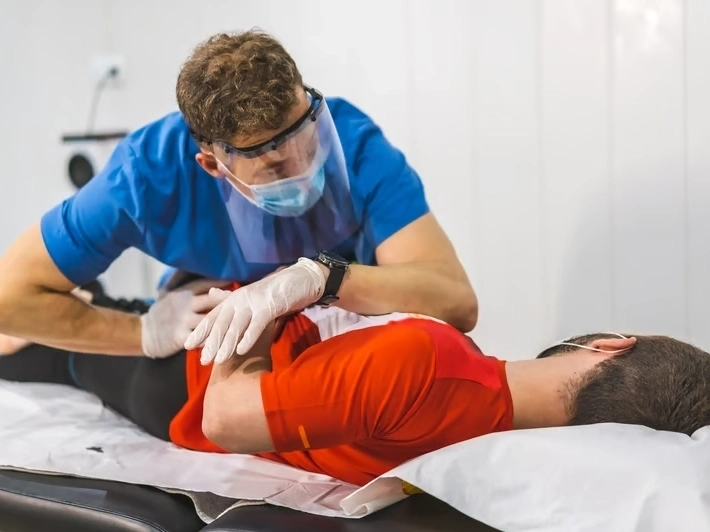
Many people get better with simple treatments. Chiropractic care can help.
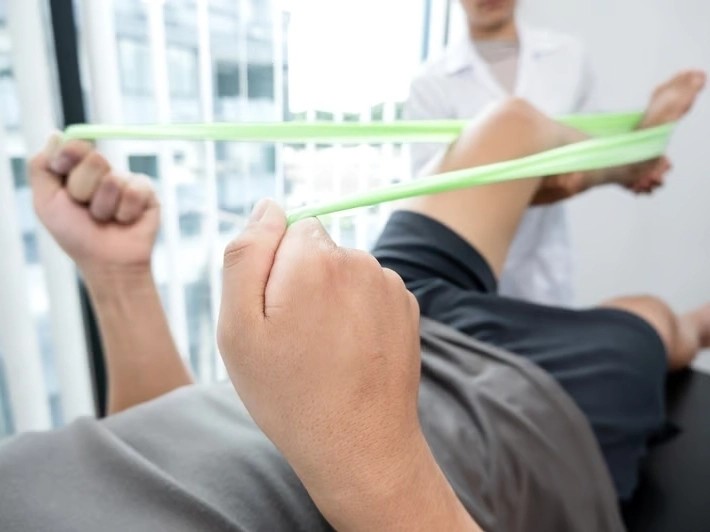
Physical therapy or exercises may also work. These make the muscles around the joint stronger.
In bad cases, shots or surgery might be needed. Knowing about the problem helps.
It helps you get the right care. It also helps you avoid things that make pain worse.
When Sacroiliac Joint Dysfunction Matters Most?
SI joint pain often starts after certain activities. Lifting heavy things can cause it.
Sitting too long may also trigger pain. Sudden moves like twisting or falling can too.
Athletes and workers who lift a lot get this more. Their jobs stress the joints.
Pregnant women may feel this pain too. Their bodies change a lot during pregnancy.
Catching this early helps stop long-term pain. Watch for signs like back pain.
Stiffness after waking up is another sign. Pain that gets worse with some moves matters too.
If you have these signs, see a doctor. They can find the cause.
They can also help you find ways to treat it. Ignoring it can make pain worse over time.
- After injuries or doing the same moves over and over.
- During pregnancy when the body changes.
- In athletes or people with tough jobs.
- When pain makes daily tasks hard.