Understanding Spinal Decompression

Spinal Decompression is a type of therapy used to treat back and neck pain caused by pressure on the spine. This pressure often comes from conditions like herniated discs, bulging discs. Or spinal stenosis. These conditions can pinch nerves, leading to pain, numbness. Or weakness in the back, legs. Or arms. For many customers, that is the difference. Spinal Decompression works by gently stretching the spine to create negative pressure within the discs. This helps pull herniated or bulging disc material back into place, reducing pressure on nerves and other structures in the spine.
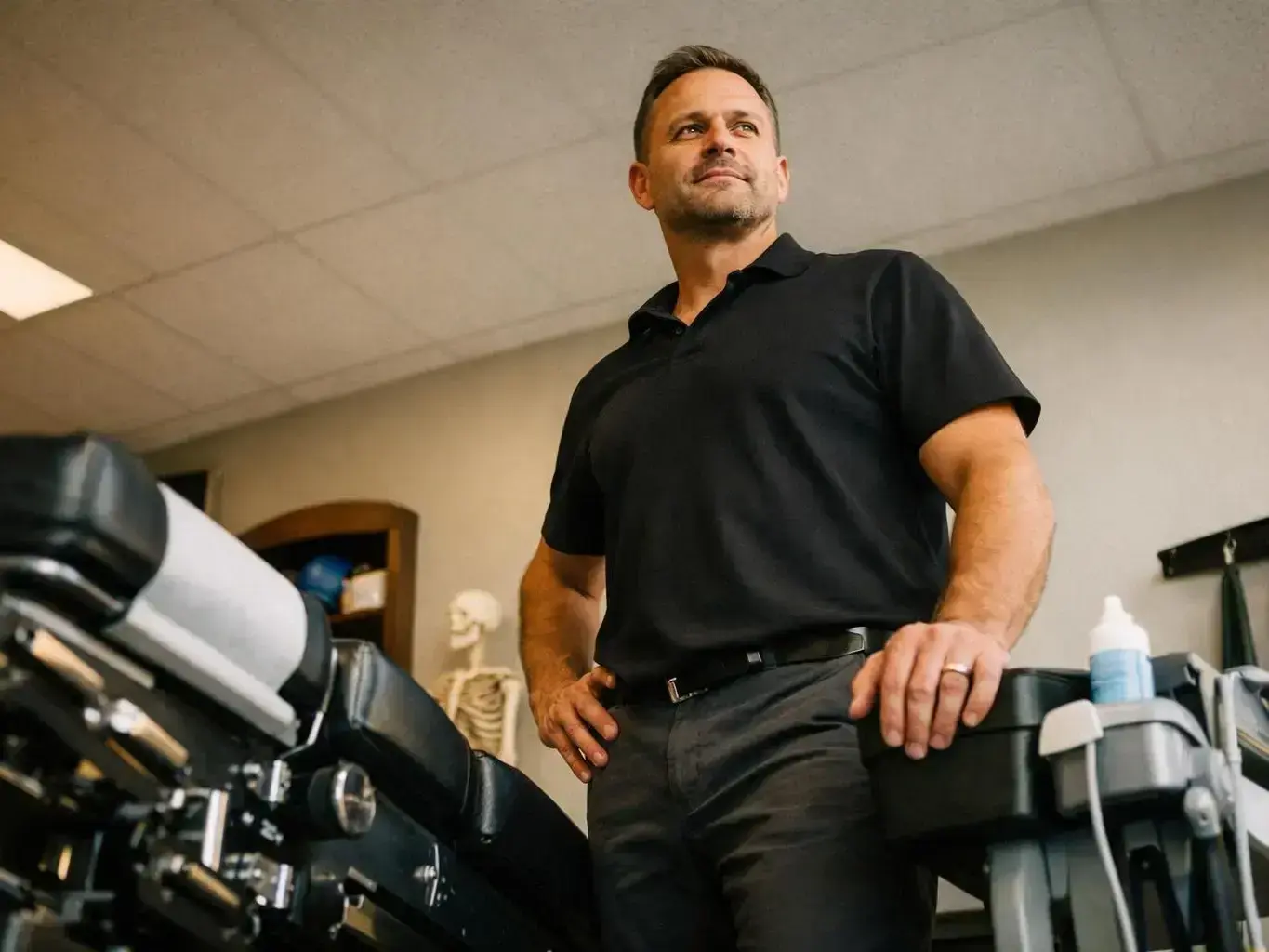
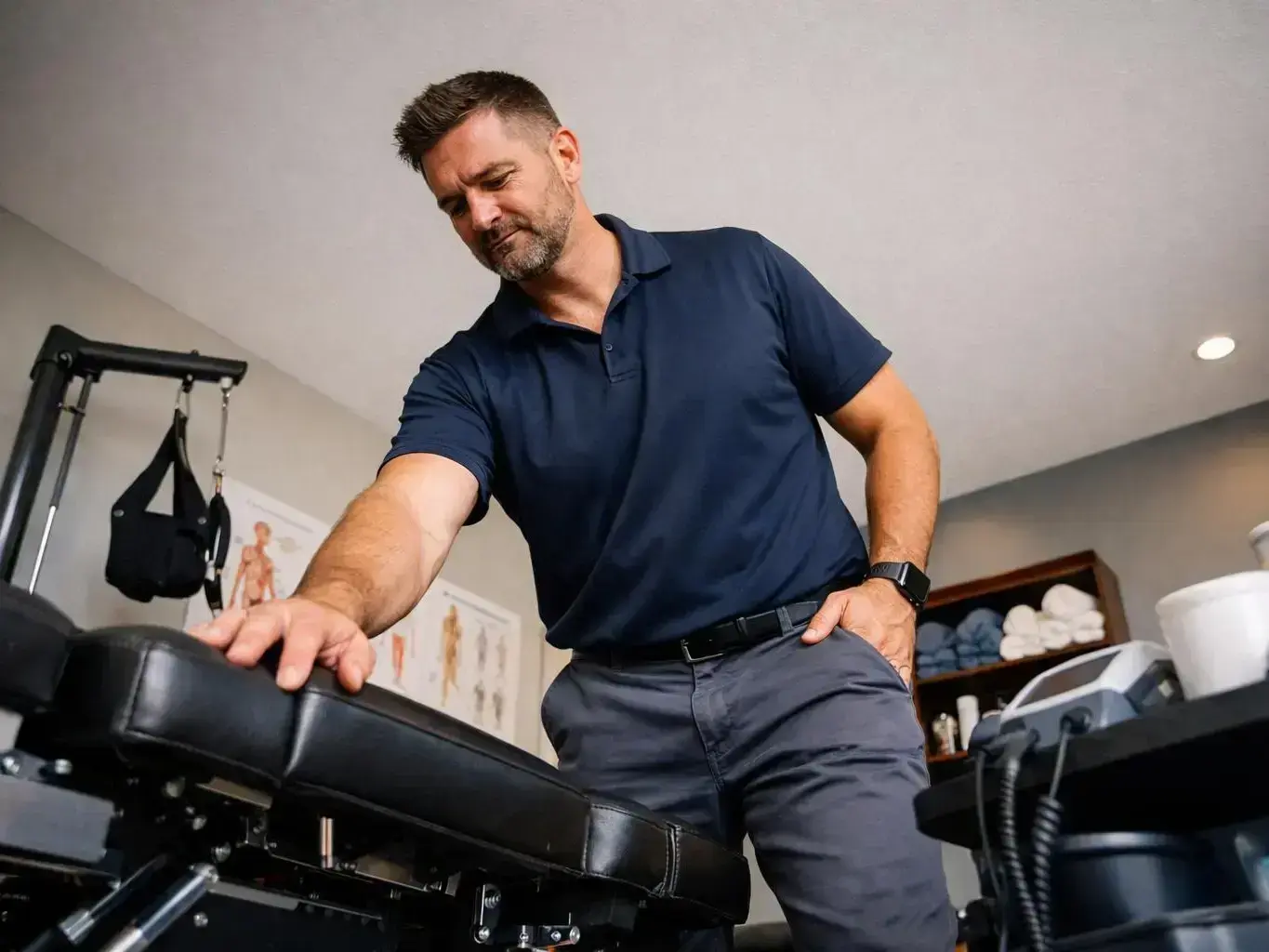
Unlike surgical decompression, which involves cutting or removing parts of the spine, non-surgical Spinal Decompression is a gentle, controlled process. It's typically performed using a specialized table or device that applies a precise amount of force to the spine. The treatment is often combined with other therapies, such as chiropractic adjustments or physical therapy, to boost results. Patients usually lie on their back or stomach while the machine gently stretches and relaxes their spine in cycles.
How Spinal Decompression Works?
Spinal Decompression works by creating a controlled stretch along the spine. During the treatment, a patient is secured to a table. And a computer-controlled device applies a pulling force to specific areas of the spine. This force is carefully calibrated to avoid causing discomfort or injury. The stretching and relaxing cycles create a vacuum-like effect within the spinal discs, which helps draw in nutrients, oxygen. And fluids. This process promotes healing and reduces inflammation around the affected nerves.
A common issue is The treatment typically lasts about 30 to 45 minutes per session. And patients may require multiple sessions over several weeks to achieve optimal results. The number of sessions depends on the severity of the condition and the patient's response to the therapy. Many patients report feeling relief after just a few sessions. Though chronic conditions may take longer to improve. The goal is to reduce pain, improve mobility. And restore function without the need for invasive procedures.
Spinal Decompression is often used alongside other treatments, such as chiropractic care, physical therapy. Or exercises. For example, a chiropractor might recommend Spinal Decompression to relieve pressure on a herniated disc, followed by adjustments to realign the spine. This combination can help patients recover faster and maintain long-term relief. The therapy is generally safe for most people. Though it may not be suitable for those with certain conditions, such as severe osteoporosis, spinal fractures. Or metal implants in the spine.
Why Spinal Decompression Matters?
Spinal Decompression matters because it offers a non-surgical option for people suffering from chronic back or neck pain. Many patients seek alternatives to surgery due to the risks, costs. And recovery time associated with invasive procedures. Spinal Decompression provides a way to address the root cause of pain—such as disc herniation or nerve compression—without the need for medication or surgery. This makes it an attractive option for those looking for natural, drug-free pain relief.
For patients with conditions like sciatica or spinal stenosis, Spinal Decompression can significantly improve quality of life. These conditions often cause pain that radiates into the legs or arms, making it difficult to perform daily activities. By reducing pressure on the nerves, Spinal Decompression can help restore mobility and reduce pain, allowing patients to return to work, exercise. And other activities they enjoy. And the therapy can help prevent further damage to the spine by promoting healing and reducing inflammation.
When Spinal Decompression Matters Most?
Spinal Decompression matters most for individuals who have tried other treatments—such as medication, physical therapy. Or injections, without success. It is particularly useful for patients with chronic back or neck pain caused by disc herniation, degenerative disc disease. Or spinal stenosis. These conditions often lead to persistent pain that interferes with daily life. And Spinal Decompression can provide relief when other methods have failed.
This therapy is also valuable for patients who want to avoid surgery. Many people prefer non-invasive treatments due to the lower risk of complications and shorter recovery time. Spinal Decompression can be a safe and effective alternative for those who are not candidates for surgery or who wish to explore conservative options first. And it may be recommended for patients recovering from injuries, such as car accidents or workplace incidents, where spinal pressure is contributing to ongoing pain.
In Hendersonville, TN, Spinal Decompression is a common treatment option for patients seeking relief from back and neck pain. Chiropractors in the area often use this therapy to help patients recover from injuries, manage chronic conditions. And improve their overall spinal health. Whether caused by aging, injury. Or repetitive stress, spinal issues can significantly impact daily life. And Spinal Decompression offers a way to address these problems without surgery.