Understanding Workers Compensation

Workers Compensation is a form of insurance designed to protect employees who get hurt or sick because of their job. It ensures that workers receive medical care and financial support while they recover. Unlike regular health insurance, Workers Compensation covers only injuries or illnesses directly related to work activities. For example, if a construction worker falls from a ladder on the job, Workers Compensation would cover their hospital bills and a portion of their missed pay.
Employers pay for Workers Compensation insurance. And the cost varies depending on the industry and the company’s claims history. States regulate Workers Compensation programs. So the rules differ across the country. In Tennessee, employers with five or more employees must carry Workers Compensation coverage. In practical terms, this means most workers in Hendersonville, TN, are protected if they get injured at work. The system is meant to be straightforward: employees report their injury, see an approved doctor. And receive benefits without needing to go to court.
How Workers Compensation Works?
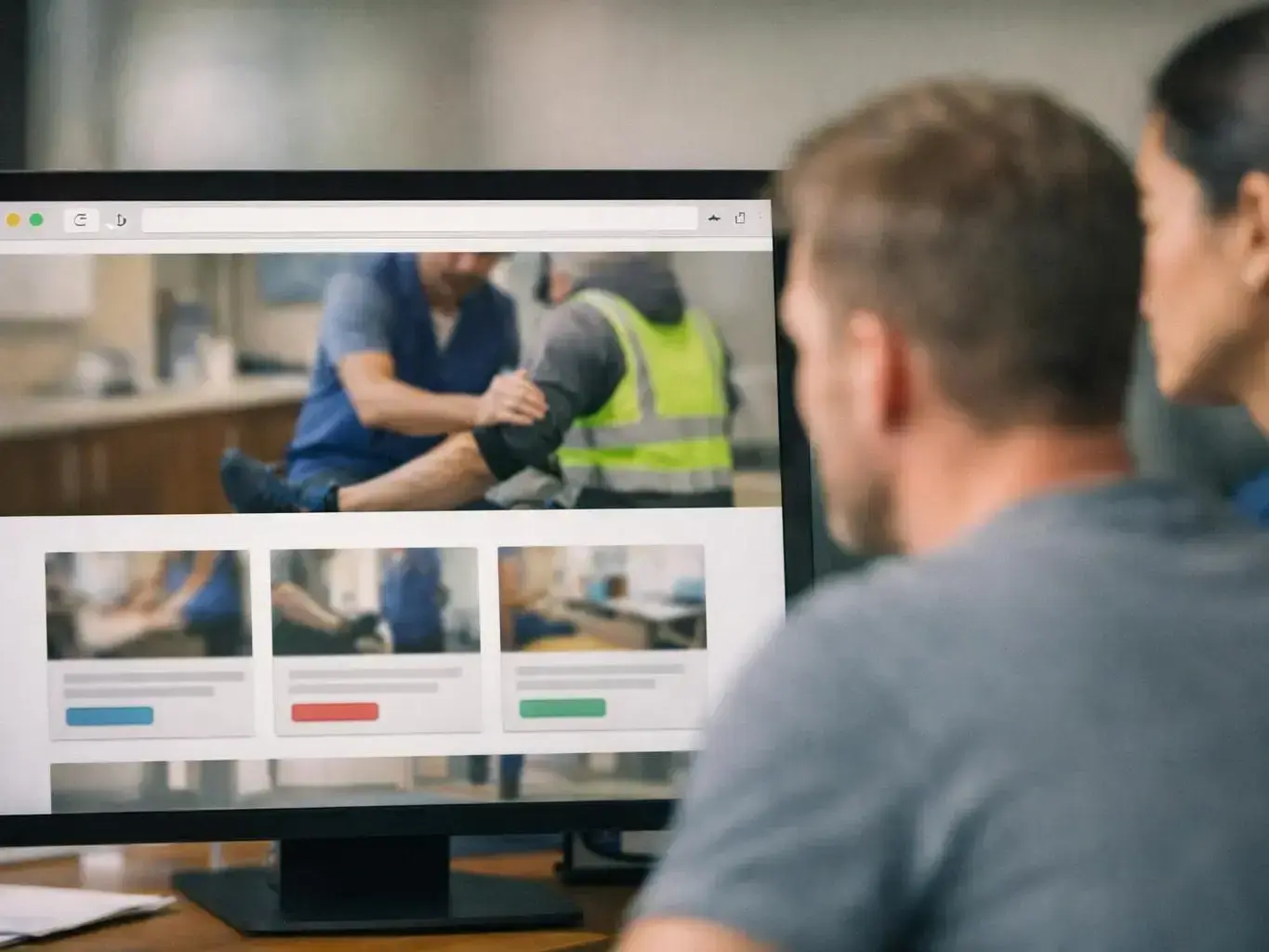
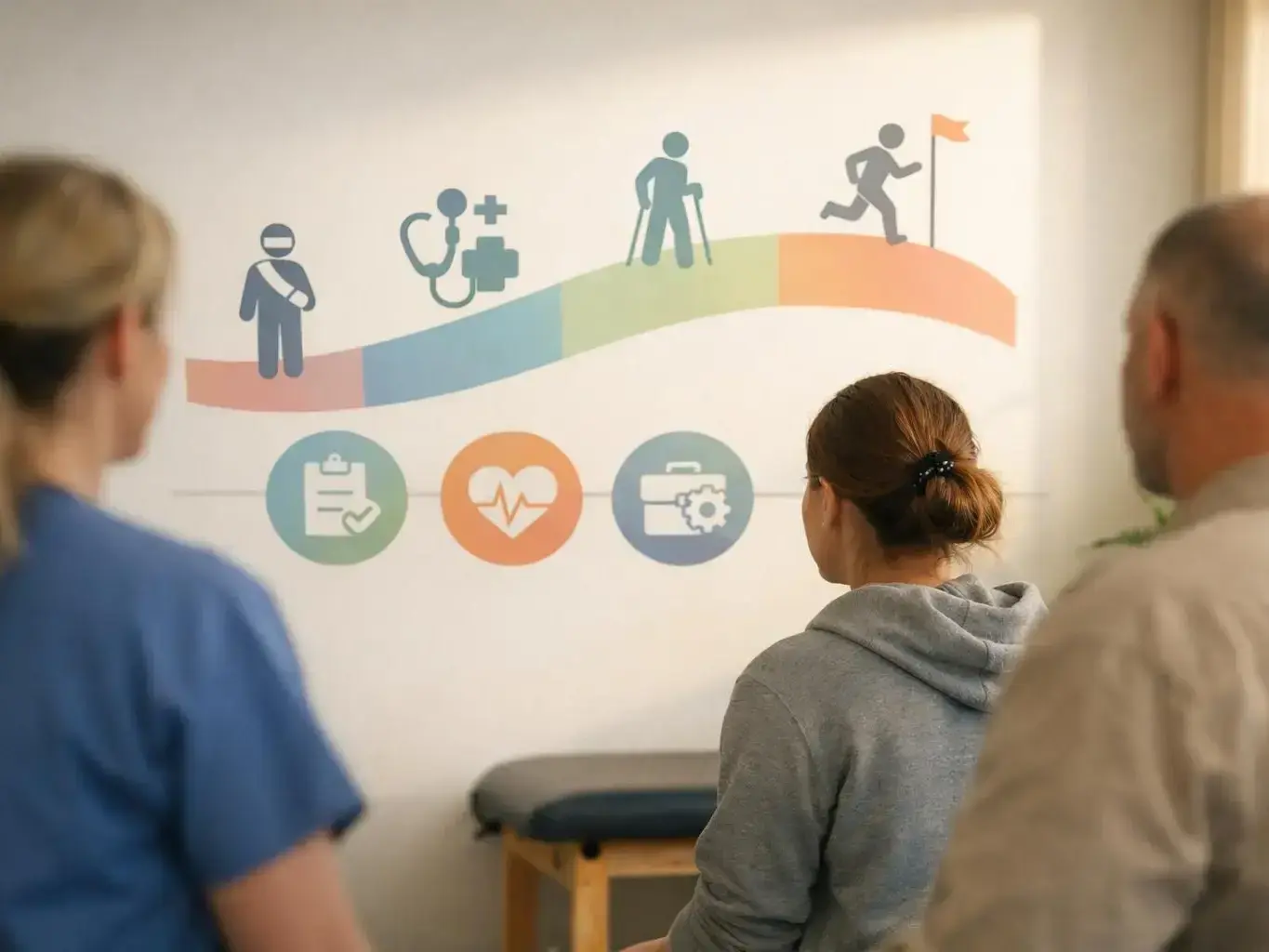
When an employee gets injured on the job, the first step is to report the injury to their employer as soon as possible. The employer then files a claim with their Workers Compensation insurance provider. The insurance company reviews the claim and decides whether to approve or deny it. If approved, the employee can begin receiving medical treatment from a doctor approved by the Workers Compensation program.
Many projects start with Workers Compensation benefits typically include payment for medical expenses, such as doctor visits, hospital stays, physical therapy. And medications. It also provides wage replacement, usually about two-thirds of the employee’s average weekly pay. While they're unable to work. In some cases, Workers Compensation may cover vocational rehabilitation if the employee can't return to their previous job. The process is meant to be efficient. But delays or disputes can occur, especially if the employer or insurance company questions whether the injury is work-related.
Why Workers Compensation Matters?
Workers Compensation plays a critical role in protecting both employees and employers. For employees, it provides financial security and access to medical care after a work-related injury or illness. Without Workers Compensation, injured workers might face overwhelming medical bills or lose their income while recovering. For employers, Workers Compensation limits their liability, preventing costly lawsuits from employees who get hurt on the job. This balance helps maintain a stable workforce and reduces legal disputes.
Workers Compensation also encourages workplace safety. Employers who invest in safe working conditions and training often see lower insurance premiums over time. This creates a positive cycle: safer workplaces lead to fewer injuries, which lowers costs for employers and reduces the burden on the Workers Compensation system. In industries like construction, manufacturing. And healthcare, where injuries are more common, Workers Compensation is especially important for keeping workers healthy and businesses running smoothly.
When Workers Compensation Matters Most?
Workers Compensation becomes especially important in situations where an employee suffers a serious injury or illness that requires extensive medical treatment or time off work. For example, a warehouse worker who herniates a disc while lifting heavy boxes may need surgery and months of physical therapy. Workers Compensation ensures they receive the care they need without facing financial hardship. It also matters when an injury leads to permanent disability, as Workers Compensation can provide long-term benefits to support the employee’s quality of life.
Workers Compensation is also critical in cases where an employee’s injury is disputed. If an employer or insurance company denies a claim, the employee may need to appeal the decision or seek legal help. In Tennessee, employees have the right to challenge a denied claim through the state’s Workers Compensation system. And Workers Compensation matters when an injury occurs in a high-risk job, such as roofing or logging, where the likelihood of accidents is higher. In these cases, Workers Compensation provides a safety net that protects workers and their families.