Understanding Active Release Technique

ART is a special way to treat soft tissue. Chiropractors and therapists use it. It's called Active Release Technique (ART).
Related glossary terms: Soft Tissue Therapy, Chiropractic Adjustment, Trigger Point Therapy.
ART is not like regular massage. Massage helps you relax. ART fixes scar tissue instead.
Scar tissue forms after injury. It can also form from overuse. Surgery can cause it too.
This scar tissue can hurt. It can stop you from moving well. It can squeeze nerves too.
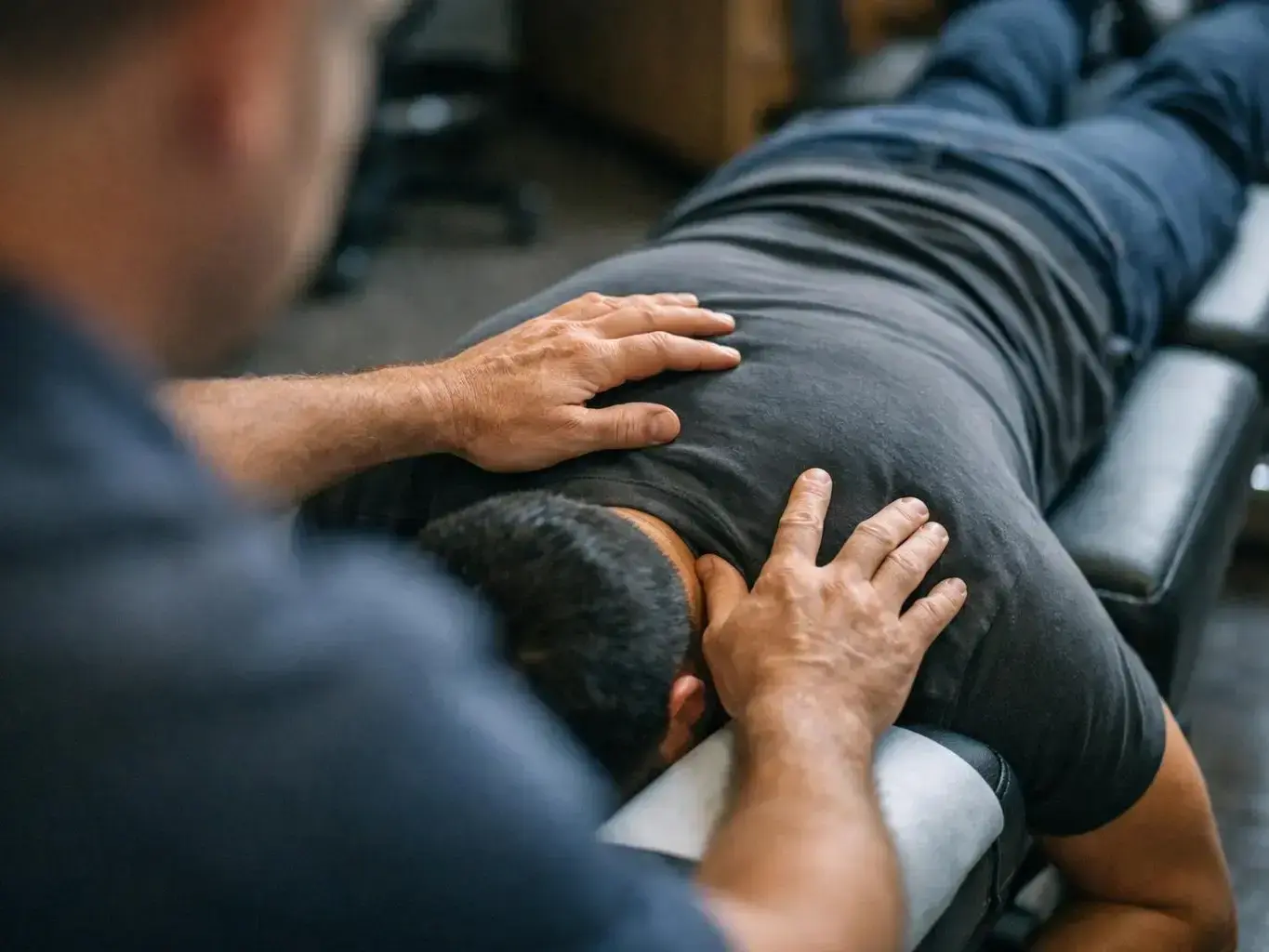
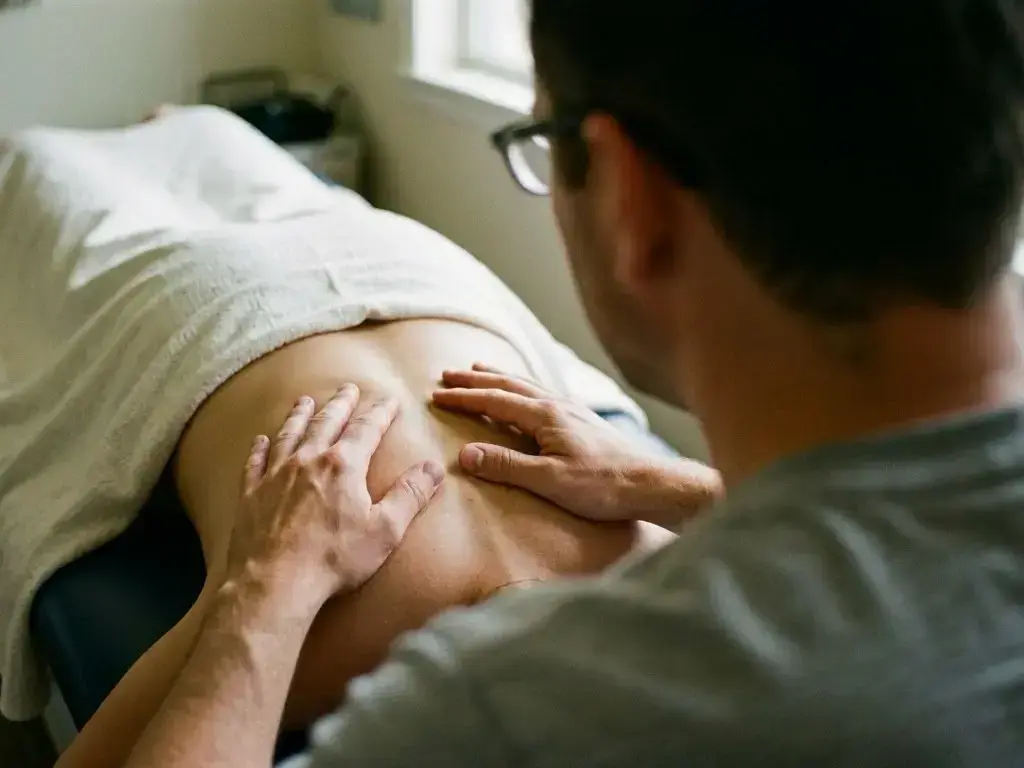
ART uses pressure and movement. The provider presses on the scar tissue. You move your body in a certain way.
This helps break up the scar tissue. Your body can work right again.
Dr. P. Michael Leahy made ART. He was a chiropractor and engineer. He saw that movement helped injuries heal better.
Today, many people use ART. It helps in sports medicine. It helps workers too. It can treat many muscle and joint problems.
ART works well for injuries from doing the same thing over and over. Typing or running can cause these. Heavy work can too.
It also helps with sudden injuries. Sprains and strains are examples.
How Active Release Technique Works?
ART has three main steps. First, the provider finds the problem spot.
They feel your tissue while you move. This shows where it's tight or sore.
Next, they press on the scar tissue. You move the sore area at the same time.
You might bend, stretch. Or turn. This helps break up the scar tissue.
Last, they check your tissue again. They want to see if it got better.
If it's still tight, they try again. They might change the pressure or movement.
Each session lasts 10 to 30 minutes. How long depends on the problem.
Most people need more than one session. This is true for long-term problems.
ART is often used with other treatments. These can be adjustments or exercises.
- Provider finds the scar tissue.
- They press while you move.
- They check if the tissue got better.
- You may need more than one session.
Why Active Release Technique Matters?
ART fixes the real cause of many muscle problems. Scar tissue is often that cause.
Pain pills only hide the hurt. Surgery has risks. ART doesn't cut or hurt you.
It can help you move better. It can stop the pain. Athletes and workers like this.
ART keeps you from getting hurt again. Tight tissue can cause new injuries.
ART also helps when nerves get squeezed. Tight muscles or scar tissue can do this.
Carpal tunnel is one example. So is sciatica. ART can fix these.
This helps people who don't want shots or surgery. ART is a safer choice.
When Active Release Technique Matters Most?
ART helps when rest and ice don't work. It's good for many injuries.
Plantar fasciitis is one. Tennis elbow is another. So are shoulder injuries.
It helps with shin splints too. These come from doing the same thing too much.
ART also helps after sudden injuries. Sprains and strains heal better with it.
It keeps scar tissue from forming. This helps you get better faster.
Some people feel numb or tingly. Others feel weak. ART can help these too.
It takes pressure off trapped nerves.
People in Hendersonville can use ART. It helps workers who lift or move a lot.
Construction workers and nurses are examples. Runners and golfers can use it too.
Local doctors may suggest ART. It can help after car accidents. It can help with sports injuries.
ART isn't for everyone. People with open wounds can't use it. Neither can those with infections.
People with very weak bones shouldn't use it either.
- Injuries from doing the same thing (like typing).
- Sudden sprains or strains.
- Scar tissue after surgery.
- Nerves that get squeezed (like sciatica).
- Long-term problems that don't get better.
- Active people or those with hard jobs.