Understanding Coccyx Pain

The coccyx, commonly called the tailbone, is the small triangular bone at the base of the spine. Coccyx Pain refers to discomfort in this area, which can range from mild soreness to severe, debilitating pain. The coccyx supports weight when sitting and serves as an attachment point for muscles, tendons. And ligaments. When injured or strained, even simple movements like sitting or standing can become painful. Most people experience coccyx pain after a fall, prolonged sitting on hard surfaces. Or during childbirth. Though arthritis or repetitive stress can also contribute.
Related glossary terms: Sacroiliac Joint Dysfunction, Sciatica, Chiropractic Adjustment.
Pain in the coccyx area may feel sharp, throbbing. Or dull. It often worsens when sitting for long periods, standing up from a seated position. Or during bowel movements. Some people also notice increased pain during sexual intercourse or menstruation. While coccyx pain can resolve on its own with rest and self-care, chronic cases may require professional treatment. Understanding the cause of the pain is key to finding the right relief, whether through home remedies, physical therapy. Or chiropractic care.
How Coccyx Pain Works?
The coccyx consists of three to five fused vertebrae. Though the number can vary from person to person. Unlike other vertebrae, the coccyx doesn't have the same protective cushioning of intervertebral discs. Instead, it relies on ligaments and muscles to absorb shock. When these structures are damaged—whether from a direct impact, repetitive strain. Or childbirth—the coccyx can become misaligned or inflamed. This misalignment or inflammation sends pain signals through nearby nerves, leading to discomfort.
A practical next step is Diagnosing coccyx pain typically involves a physical exam, where a healthcare provider checks for tenderness, swelling. Or misalignment. Imaging tests like X-rays or MRI scans may be used to rule out fractures, tumors. Or other serious conditions. In some cases, the pain may radiate to the lower back or hips, making it important to distinguish coccyx pain from other conditions like sciatica or sacroiliac joint dysfunction. Treatment often focuses on reducing inflammation, improving mobility. And correcting any misalignment through gentle adjustments or therapy.
Why Coccyx Pain Matters?
Coccyx pain can significantly impact daily life, making it difficult to sit, drive, work. Or even sleep comfortably. For people with desk jobs, chronic coccyx pain can lead to missed workdays or reduced productivity. Athletes, especially those in contact sports or cycling, may find their performance affected by persistent tailbone discomfort. Even simple activities like sitting on a couch or using public transportation can become painful, limiting social and recreational opportunities. Addressing coccyx pain early can prevent it from becoming a long-term issue, improving quality of life and overall well-being.
Beyond discomfort, untreated coccyx pain can lead to secondary problems, such as altered posture or compensatory muscle tension in the lower back and hips. Over time, this can contribute to additional pain or dysfunction in other areas of the body. For example, favoring one side while sitting to avoid tailbone pain may cause uneven pressure on the hips, leading to imbalances or strain. Seeking appropriate care, whether through chiropractic adjustments, physical therapy. Or ergonomic changes, can help restore comfort and prevent further complications.
When Coccyx Pain Matters Most?
Coccyx pain becomes especially important to address in situations where it interferes with essential activities. For example, office workers who sit for most of the day may struggle with prolonged discomfort, affecting their focus and productivity. New mothers recovering from childbirth often experience coccyx pain, which can make caring for a newborn more challenging. Athletes or active individuals may notice pain during exercise or sports, limiting their ability to participate fully. In these cases, finding relief is not just about comfort—it’s about maintaining daily routines and overall health.
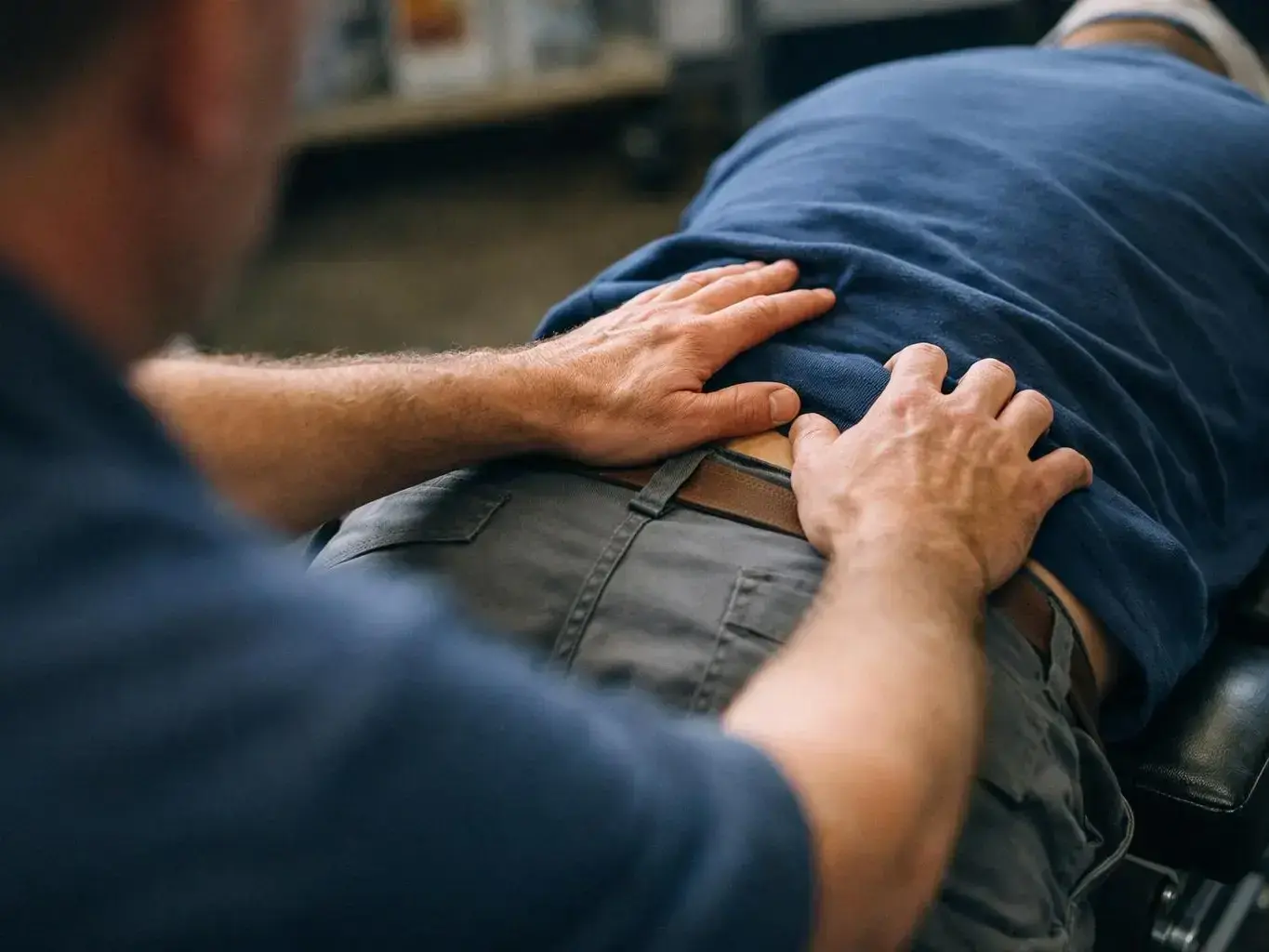
Certain signs indicate that coccyx pain requires professional attention. If pain persists for more than a few weeks despite home care. Or if it worsens over time, consulting a healthcare provider is important. Severe pain after a fall or injury, numbness in the legs. Or difficulty controlling bowel or bladder function may signal a more serious issue, such as a fracture or nerve damage. Chiropractors trained in spinal and pelvic adjustments can help assess and treat coccyx pain, offering non-invasive options like manual adjustments, soft tissue therapy. Or ergonomic advice to support recovery.