Glossary

What is Disc Herniation?

Disc herniation is a spinal condition where the soft, gel-like center of a spinal disc pushes through a tear in the tougher outer layer. This can irritate nearby nerves, causing pain, numbness. Or weakness in the back, arms. Or legs. Disc herniation often occurs in the lower back or neck and is commonly linked to aging, injury. Or improper lifting.

Reviewed by Advanced Injury Care ClinicSources reviewed: Mayo Clinic, National Institute of Arthritis and Musculoskeletal and Skin Diseases

Quick Facts About Disc Herniation

Category

Spinal condition

Used for

Diagnosing nerve-related pain or weakness

Common confusion

Often mistaken for muscle strain or general back pain

Also called

Herniated disc, Slipped disc

Often discussed with

Back Pain Treatment, Work Injury Treatment

Key Takeaways About Disc Herniation

Understanding Disc Herniation

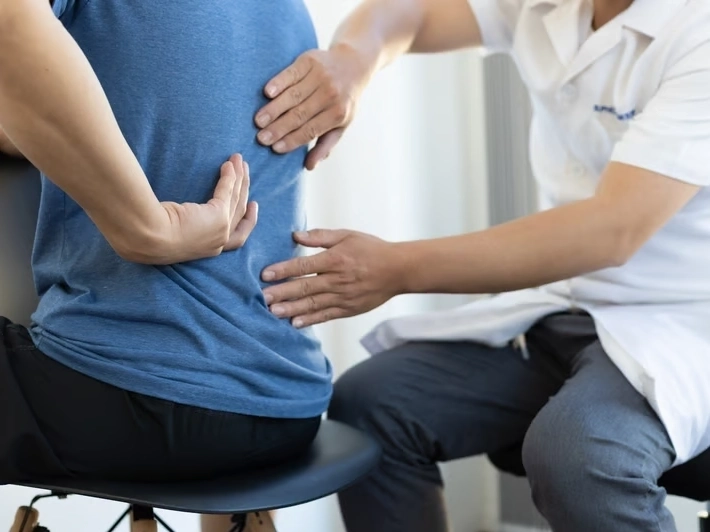
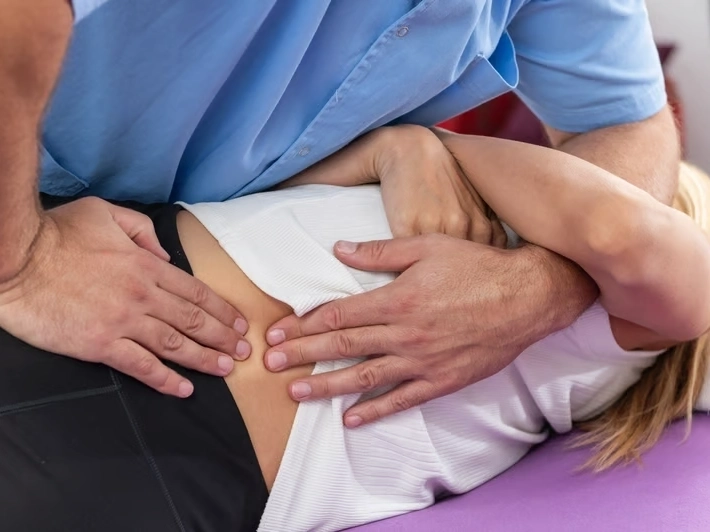
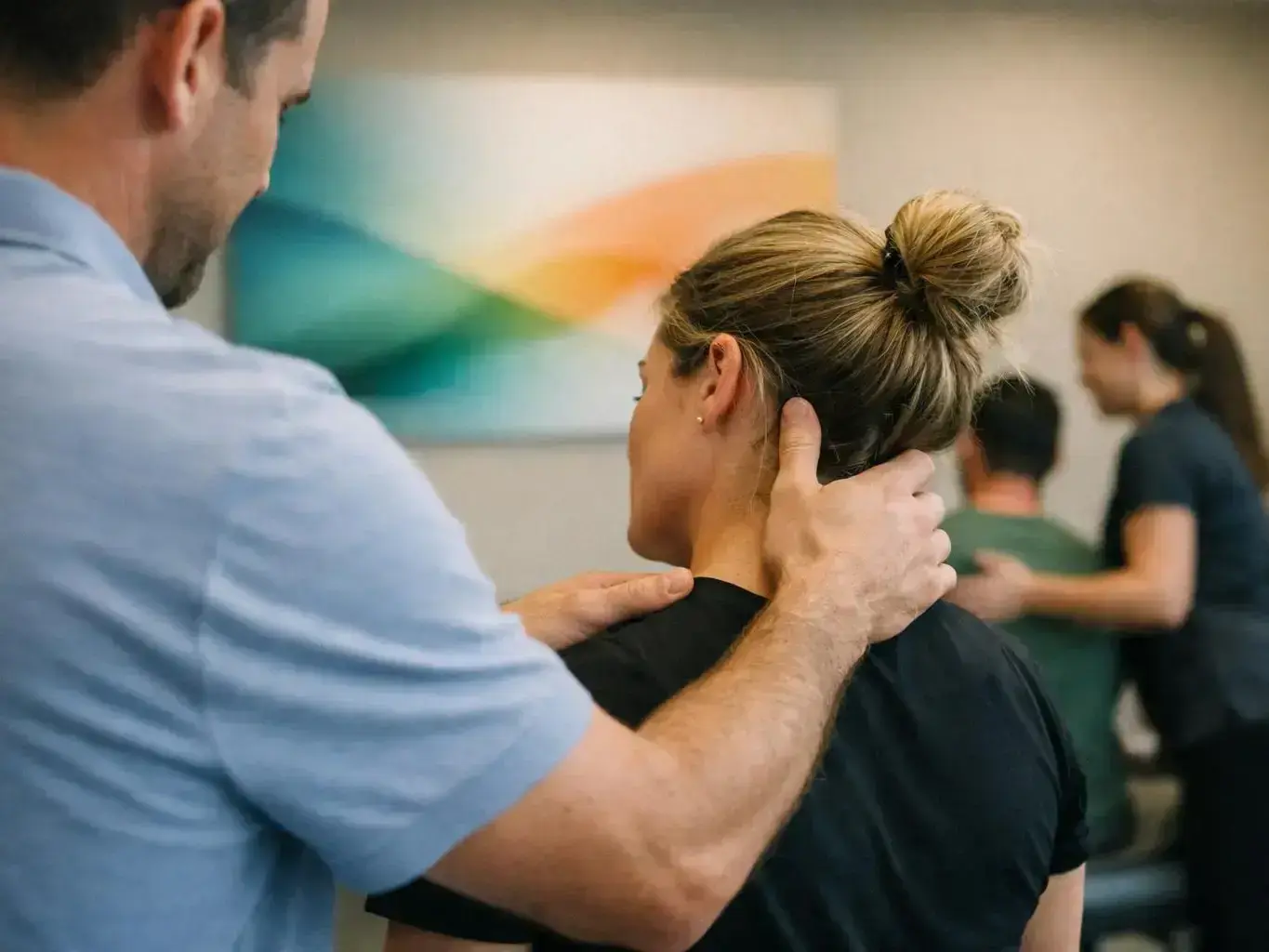
How Disc Herniation applies to Chiropractor services in Hendersonville, United States—practical illustration

A spinal disc has a soft center. This center is like jelly. It's called the nucleus pulposus.

Related glossary terms: Pinched Nerve, Low Back Pain, Spinal Stenosis.

The disc also has a tough outer layer. This layer is called the annulus fibrosus. A crack can let the jelly push out.

Your spine has bones called vertebrae. Discs sit between these bones. They act like cushions.

Discs help your spine move smoothly. They also absorb shock. When a disc herniates, its jelly leaks out.

The leaked jelly can press on nerves. This causes pain, tingling. Or weakness. The pain is where the nerves go.

Disc herniation often happens in the lower back. This area is called the lumbar spine. It holds much of your body's weight.

The neck area can also have herniated discs. This area is called the cervical spine. It supports your head and lets you move it.

Aging makes discs less flexible. They lose water over time. This makes herniation more likely.

Sudden injuries can cause herniation too. So can lifting things the wrong way. Doing the same motion over and over also causes it.

How Disc Herniation Works?

Spinal discs work like shock absorbers. They sit between the vertebrae. Each disc has two parts.

The outer layer is tough and rubbery. The center is soft and gel-like. When the outer layer tears, the center can bulge.

If the bulge presses on a nerve, it causes problems. You might feel sharp pain. Your arms, legs. Or back might feel numb or weak.

A herniated disc in the lower back can cause sciatica. Sciatica is pain that goes down your leg. This happens when the disc presses on a nerve.

Doctors diagnose disc herniation with tests. They do a physical exam first. They check your reflexes and strength.

They also look for areas of pain. Imaging tests like MRI or CT scans help too. These show where the disc is herniated.

Most herniated discs don't need surgery. Rest and physical therapy help a lot. So do anti-inflammatory medicines.

These treatments ease symptoms. They let the disc heal over time. Most people get better without surgery.

Why Disc Herniation Matters?

A herniated disc can make daily life hard. Pain can limit your movement. It might hurt to sit, stand. Or bend.

Simple tasks like lifting can be tough. If not treated, the problem can get worse. You might have long-term pain or weakness.

Early treatment helps you heal faster. It can stop problems before they start. This makes recovery easier.

Disc herniation is common. It's not always serious. Many people feel better with simple care.

But some cases are severe. If you can't control your bladder, get help fast. Extreme weakness is also a bad sign.

Knowing about disc herniation helps you make good choices. You can pick the right treatment. You can also change your habits to help your spine.

When Disc Herniation Matters Most?

Some signs of disc herniation are very serious. Pain that doesn't go away is one. So is numbness or tingling in your arms or legs.

Muscle weakness that affects daily tasks is another sign. If you have these, see a doctor. People with certain jobs are at higher risk.

Jobs that involve heavy lifting are risky. So are jobs where you sit a lot. Physically demanding jobs can also cause problems.

Pay attention to early warning signs. This helps you get care sooner. It can make a big difference.

Some activities make disc herniation worse. Lifting heavy things is one. So are twisting motions.

High-impact sports can also cause problems. Changing these activities helps. Learn the right way to lift things.

Take breaks if you sit a lot. This can ease your symptoms. It can also help your spine stay healthy.

In Hendersonville, TN, many people work outdoors. Some do manual labor. Others have active lifestyles.

Knowing about disc herniation helps these people. They can protect their spine. They can also get the right care when needed.

How to Evaluate Disc Herniation?

Related Concepts Compared

Disc Herniation vs. Bulging disc

A bulging disc occurs when the disc’s outer layer extends outward without tearing. While a herniated disc involves a tear that allows inner material to leak out.

Disc Herniation vs. Pinched nerve

A pinched nerve refers to any compressed nerve. While disc herniation is a specific cause where the disc material presses on the nerve.

Disc Herniation vs. Sciatica

Sciatica is a symptom of pain radiating down the leg, often caused by a herniated disc pressing on the sciatic nerve.

Expert Note

Disc herniation often responds well to conservative care. But early intervention is key. Gentle movement, proper posture. And avoiding heavy lifting can support healing and prevent further damage.

Common Mistakes or Myths About Disc Herniation

  • Assuming all back pain is due to disc herniation—muscle strain or arthritis can cause similar symptoms.
  • Ignoring mild symptoms, which can worsen if left untreated.
  • Believing surgery is always necessary—most cases improve with non-surgical treatments.
  • Continuing heavy lifting or high-impact activities despite pain, which can worsen the condition.

Disc Herniation in Practice: A Real-World Example

A construction worker in Hendersonville, TN, lifts a heavy beam incorrectly and feels a sharp pain in his lower back. Over the next few days, the pain spreads down his leg. And he notices tingling in his foot. A visit to a healthcare provider reveals a herniated disc pressing on a nerve. And he begins physical therapy to relieve the symptoms.

Sources & Further Reading on Disc Herniation

  • Mayo Clinic
  • National Institute of Arthritis and Musculoskeletal and Skin Diseases
  • American Academy of Orthopaedic Surgeons

Related Services

Related Terms

Pinched Nerve

Pinched Nerve is a condition where surrounding tissues, such as bones, cartilage, muscles. Or tendons, press too tightly against a nerve. This pressure disrupts the nerve’s function, causing pain, tingling, numbness. Or weakness in the affected area. Pinched nerves often occur in the spine, wrists. Or elbows and can result from injury, poor posture. Or repetitive motions.

Low Back Pain

Low Back Pain is discomfort or pain located in the lower part of the spine, between the bottom of the rib cage and the top of the legs. Low Back Pain can be sharp, dull, constant. Or intermittent and may radiate to the buttocks or legs. It often results from muscle strain, ligament sprain, disc injury. Or joint irritation. And can affect daily activities like sitting, standing. Or walking.

Spinal Stenosis

Spinal Stenosis is a narrowing of the spaces within the spine, which can put pressure on the nerves that travel through it. This condition most commonly occurs in the lower back and neck and often develops gradually due to aging, arthritis. Or wear-and-tear changes in the spine. Symptoms may include pain, numbness, muscle weakness. And difficulty walking or standing for long periods.

Physical Rehabilitation

Physical Rehabilitation is a medically supervised process that helps individuals regain movement, strength. And function after injury, surgery. Or illness. Physical Rehabilitation uses exercises, stretches, manual therapy. And education to reduce pain, restore mobility. And prevent future problems. It's tailored to each person’s condition and goals, often involving a team of healthcare providers.

Advanced Injury Care Clinic

Have Questions About Disc Herniation?

Contact Advanced Injury Care Clinic for practical guidance on Disc Herniation and related chiropractor work in Hendersonville.

+1 615-777-0624