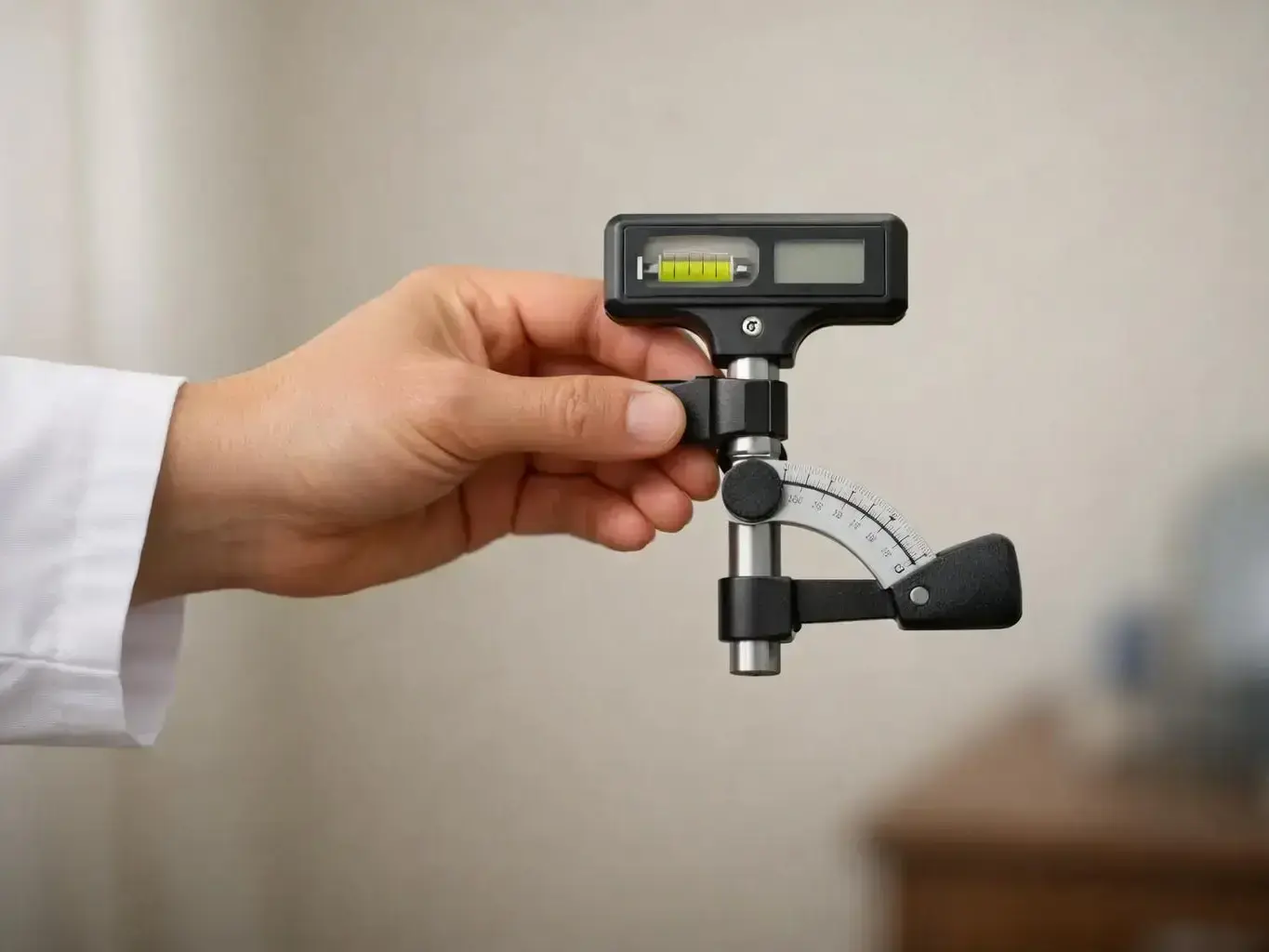
Spinal Stenosis is a narrowing of the spaces within the spine, which can put pressure on the nerves that travel through it. This condition most commonly occurs in the lower back and neck and often develops gradually due to aging, arthritis. Or wear-and-tear changes in the spine. Symptoms may include pain, numbness, muscle weakness. And difficulty walking or standing for long periods.
Category
Degenerative spinal condition
Used for
Explaining nerve-related back or neck pain
Common confusion
Often mistaken for general arthritis or muscle strain
Also called
Spinal Narrowing, Lumbar Stenosis
Often discussed with
Back Pain Treatment, Injury Chiropractor Consultation

Spinal Stenosis is a medical condition where the spinal canal—the hollow space inside the spine that protects the spinal cord and nerves—becomes narrower over time. This narrowing can squeeze the nerves, leading to pain, tingling. Or weakness in the back, legs. Or arms. While some people with Spinal Stenosis experience no symptoms, others may struggle with daily activities like walking or standing for long periods. The condition is most common in adults over 50. Though younger people can develop it due to injuries, genetic factors. Or conditions like scoliosis.
Related glossary terms: Disc Herniation, Pinched Nerve, Spinal Decompression.
The spine is made up of bones called vertebrae, which stack on top of each other to form a protective tunnel for the spinal cord. Between the vertebrae are discs that act as cushions, absorbing shock and allowing movement. Over time, these discs can wear down. And the vertebrae may develop bone spurs—small bony growths that can crowd the spinal canal. Ligaments, the tough bands that hold the spine together, can also thicken with age, further narrowing the space. When these changes occur, they can compress the nerves branching out from the spinal cord, causing the symptoms associated with Spinal Stenosis.
Spinal Stenosis typically develops slowly and is often a result of the spine’s natural aging process. The most common cause is osteoarthritis, a condition where the cartilage that cushions joints breaks down, leading to bone-on-bone friction. This friction can trigger the growth of bone spurs, which then encroach on the spinal canal. Other causes include herniated discs, where the soft inner material of a disc leaks out and presses on nerves. Or thickened ligaments that bulge into the spinal space. In some cases, Spinal Stenosis can also result from injuries, tumors. Or conditions like Paget’s disease, which causes abnormal bone growth.
The location of the narrowing determines where symptoms appear. If the stenosis occurs in the lower back (lumbar spine), it can cause pain, cramping. Or numbness in the legs, especially when walking or standing. This is often called neurogenic claudication. If the narrowing happens in the neck (cervical spine), it may lead to symptoms in the arms, hands. Or even balance problems. In rare cases, severe cervical stenosis can compress the spinal cord itself, leading to more serious issues like loss of bladder control or difficulty coordinating movements. Doctors diagnose Spinal Stenosis using imaging tests like MRI or CT scans, which show the narrowed spaces and pinpoint the source of nerve compression.

Spinal Stenosis matters because it can significantly impact a person’s quality of life. Chronic pain, numbness. Or weakness in the back, legs. Or arms can make it difficult to perform everyday tasks, from walking to carrying groceries. For some, the condition leads to a loss of independence, as they may struggle with mobility or require assistance for activities they once did easily. Even mild symptoms can interfere with work, hobbies. Or social activities, leading to frustration or depression. Understanding Spinal Stenosis helps individuals recognize symptoms early and seek treatment before the condition worsens.
In practice, Beyond the physical symptoms, Spinal Stenosis can also have financial and emotional consequences. Medical appointments, imaging tests. And treatments can add up, especially for those without insurance. For some, the condition may limit their ability to work, leading to lost income or the need for disability benefits. Emotionally, living with chronic pain can be isolating, as it may reduce participation in social events or family gatherings. Early intervention, such as chiropractic care, physical therapy. Or lifestyle changes, can help manage symptoms and improve quality of life, reducing the need for more invasive treatments like surgery.
Spinal Stenosis becomes especially important in situations where symptoms interfere with daily life or signal a risk of permanent nerve damage. For example, if someone experiences sudden weakness in their legs, difficulty controlling their bladder or bowels. Or severe pain that doesn’t improve with rest, they should seek medical attention immediately. These symptoms could indicate cauda equina syndrome, a rare but serious condition requiring emergency surgery. Similarly, if numbness or weakness progresses to the point of affecting balance or coordination, it may increase the risk of falls, particularly in older adults.
Spinal Stenosis also matters most when considering treatment options. Mild cases may be managed with conservative approaches like chiropractic adjustments, physical therapy. Or anti-inflammatory medications. But if symptoms worsen or fail to improve, more aggressive treatments, such as steroid injections or surgery - may be necessary. Surgery, like a laminectomy or spinal fusion, aims to create more space for the nerves by removing bone or tissue. While surgery can provide relief, it also carries risks, including infection, blood clots. Or nerve damage. Deciding when to pursue surgery depends on the severity of symptoms, overall health. And how much the condition affects daily life. Regular check-ups with a healthcare provider can help monitor the condition and guide treatment decisions.
Disc Herniation occurs when a spinal disc’s soft center leaks out, pressing on nearby nerves. Spinal Stenosis involves narrowing of the spinal canal itself, often due to bone spurs or thickened ligaments, rather than a disc problem.
Sciatica is pain caused by irritation of the sciatic nerve, often from a herniated disc. Spinal Stenosis can cause sciatica-like symptoms. But the underlying issue is a narrowed spinal canal, not just nerve irritation.
Osteoarthritis is the breakdown of joint cartilage, which can lead to bone spurs. Spinal Stenosis is a possible result of osteoarthritis in the spine, where those spurs narrow the spinal canal.
Spinal Stenosis is often underdiagnosed because its symptoms—like leg pain or numbness—can mimic other conditions. A thorough physical exam and imaging are key to distinguishing it from issues like peripheral artery disease or hip arthritis, which may require different treatments.
An older adult notices their legs feel heavy and achy after walking a few blocks. But the discomfort eases when they sit down. Over time, the pain worsens. And they start leaning on a shopping cart to walk longer distances. A doctor orders an MRI, which reveals narrowing in the lower spine, confirming Spinal Stenosis. With chiropractic care and physical therapy, they learn exercises to improve mobility and reduce symptoms.
Disc herniation is a spinal condition where the soft, gel-like center of a spinal disc pushes through a tear in the tougher outer layer. This can irritate nearby nerves, causing pain, numbness. Or weakness in the back, arms. Or legs. Disc herniation often occurs in the lower back or neck and is commonly linked to aging, injury. Or improper lifting.
Pinched Nerve is a condition where surrounding tissues, such as bones, cartilage, muscles. Or tendons, press too tightly against a nerve. This pressure disrupts the nerve’s function, causing pain, tingling, numbness. Or weakness in the affected area. Pinched nerves often occur in the spine, wrists. Or elbows and can result from injury, poor posture. Or repetitive motions.
Spinal Decompression is a non-surgical treatment designed to relieve pressure on the spine and spinal nerves. It involves gently stretching the spine using a motorized table or similar device to create negative pressure within spinal discs, promoting the retraction of herniated or bulging discs and improving nutrient flow to affected areas.
Advanced Injury Care Clinic
Contact Advanced Injury Care Clinic for practical guidance on Spinal Stenosis and related chiropractor work in Hendersonville.