Glossary

What is Flexion-Distraction?

Flexion-Distraction is a gentle, non-surgical chiropractic technique designed to relieve back, neck. And leg pain by decompressing spinal discs and joints. Flexion-Distraction uses a specialized table to stretch and flex the spine in a controlled, rhythmic motion, reducing pressure on nerves and improving spinal mobility without forceful adjustments.

Reviewed by Advanced Injury Care ClinicSources reviewed: American Chiropractic Association, National Institute of Neurological Disorders and Stroke

Quick Facts About Flexion-Distraction

Category

Chiropractic technique

Used for

Disc herniation, sciatica, spinal stenosis, chronic back pain

Common confusion

Often mistaken for general spinal decompression or traction

Also called

Cox Flexion-Distraction, Flexion-Distraction Technique

Often discussed with

Back Pain Treatment, Work Injury Treatment

Key Takeaways About Flexion-Distraction

Understanding Flexion-Distraction
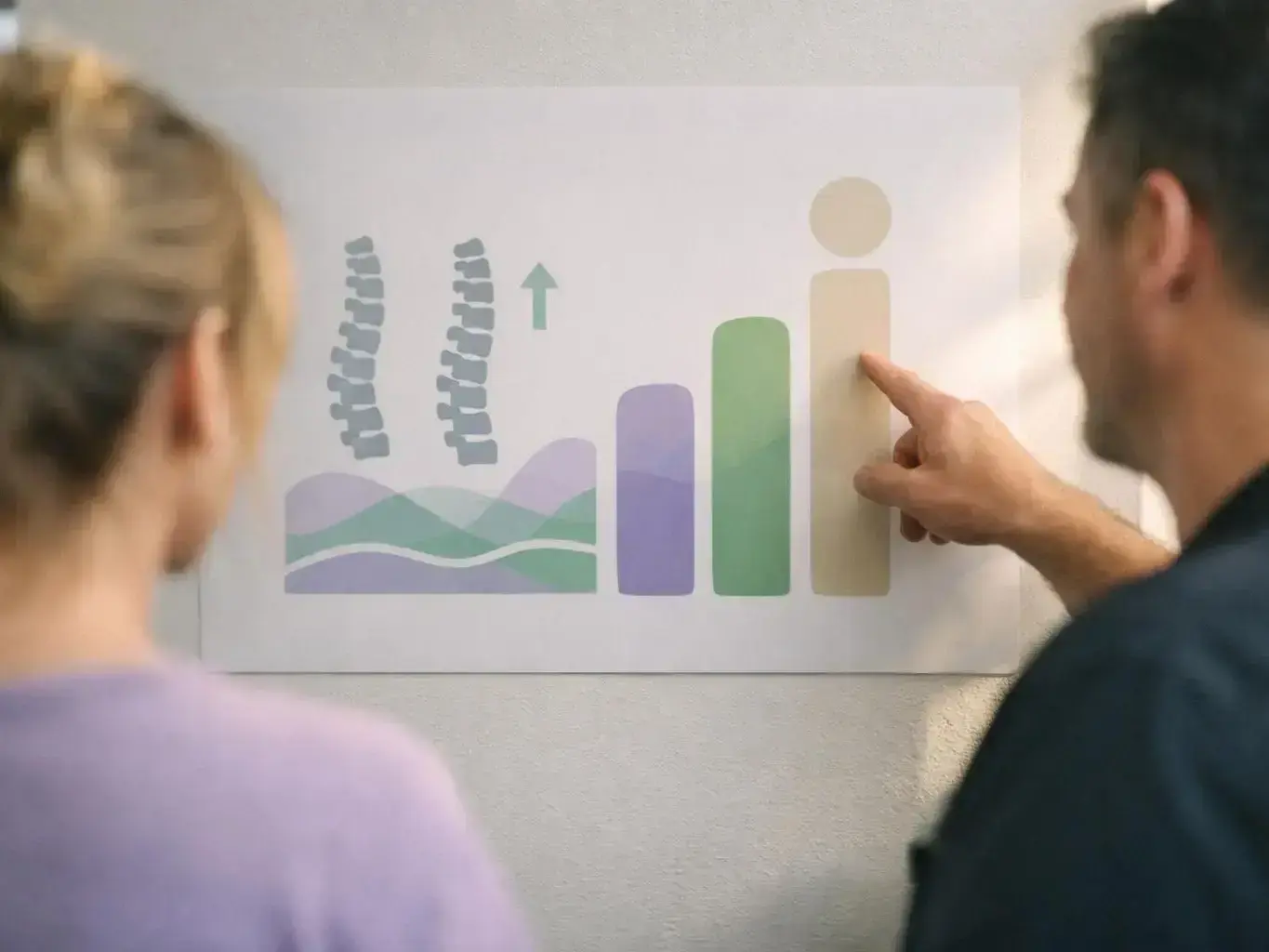
Flexion-Distraction in Chiropractor: Flexion-Distraction is a gentle, non-surgical chiropractic technique designed to reli...

Flexion-Distraction is a chiropractic method developed to treat spinal conditions without surgery or aggressive manipulation. The technique focuses on decompressing the spine by using a motorized table that gently stretches and flexes the lower back or neck. This rhythmic motion helps restore normal movement to spinal joints and discs, reducing pain caused by pressure on nerves or misaligned vertebrae. Unlike traditional adjustments that involve quick thrusts, Flexion-Distraction is slow, controlled. And custom to each patient’s comfort level.

Related glossary terms: Disc Herniation, Spinal Decompression, Chiropractic Adjustment.

The primary goal of Flexion-Distraction is to create space within the spine. When discs or vertebrae become compressed—due to injury, aging. Or repetitive stress—nerves can become irritated, leading to pain, numbness. Or weakness in the back, neck. Or limbs. By stretching the spine in a specific pattern, the technique encourages discs to return to their natural position, improving circulation and nutrient flow to affected areas. This can help reduce inflammation and promote healing over time.

How Flexion-Distraction Works?

Flexion-Distraction is performed on a specialized chiropractic table that allows the lower or upper section to move independently. The patient lies face down while the chiropractor secures the lower body and controls the table’s motion with a foot pedal. The table then flexes (bends forward) and distracts (lengthens) the spine in a smooth, repetitive cycle. This motion creates a pumping effect on the spinal discs, which helps draw in nutrients and fluid while pushing out waste products that contribute to pain and stiffness.

Many projects start with The chiropractor may also apply light manual pressure to specific areas of the spine during the treatment. This combination of table movement and targeted pressure helps address misalignments, disc bulges. Or spinal stenosis without causing additional stress to the body. Each session typically lasts 10 to 15 minutes. And patients often feel immediate relief in tension or pressure. Though multiple sessions are usually needed for long-term improvement.

Because the technique is gentle, it's suitable for a wide range of patients, including those with osteoporosis, arthritis. Or recent spinal surgery. It is also a popular choice for individuals who prefer to avoid more forceful adjustments or who have not responded to other forms of treatment. But like all medical procedures, it may not be appropriate for everyone, such as those with severe spinal fractures or certain infections.

Why Flexion-Distraction Matters?

How Flexion-Distraction applies to Chiropractor services in Hendersonville, United States—practical illustration

Flexion-Distraction offers a conservative alternative to surgery or medication for managing spinal pain. Many patients with herniated discs, sciatica. Or degenerative disc disease experience significant relief with this technique, often avoiding the risks and recovery time associated with invasive procedures. By improving spinal mobility and reducing nerve pressure, Flexion-Distraction can help restore function and quality of life for individuals struggling with chronic pain.

Beyond pain relief, the technique supports overall spinal health. Regular sessions can improve posture, boost flexibility. And prevent further degeneration by maintaining proper disc hydration and joint movement. For athletes or individuals with physically demanding jobs, Flexion-Distraction can also aid in recovery from repetitive stress injuries, reducing the likelihood of future flare-ups.

When Flexion-Distraction Matters Most?

Flexion-Distraction is most beneficial for individuals experiencing pain related to disc issues or spinal compression. Common conditions treated with this technique include herniated or bulging discs, sciatica, spinal stenosis. And chronic low back pain. It is also helpful for patients recovering from injuries, such as car accidents or falls, where spinal alignment and disc health have been compromised.

Patients who have not found relief with traditional chiropractic adjustments, physical therapy. Or medication often turn to Flexion-Distraction as a next step. It is particularly useful for those who can't tolerate forceful manipulations due to age, fragility. Or medical conditions. And individuals preparing for or recovering from spinal surgery may use Flexion-Distraction to manage pain and improve mobility under the guidance of their healthcare provider.

In Hendersonville, TN, where physically demanding jobs and active lifestyles are common, Flexion-Distraction provides a valuable option for managing spinal pain without disrupting daily routines. Whether caused by work-related strain, sports injuries. Or age-related wear and tear, spinal issues can significantly impact quality of life, making gentle, effective treatments like Flexion-Distraction an important resource for the community.

How to Evaluate Flexion-Distraction?

Related Concepts Compared

Flexion-Distraction vs. Spinal Decompression

Spinal Decompression uses a computerized table to apply constant traction. While Flexion-Distraction combines rhythmic stretching and flexing motions for a gentler, more dynamic effect.

Flexion-Distraction vs. Chiropractic Adjustment

Chiropractic Adjustments involve quick, targeted thrusts to realign joints, whereas Flexion-Distraction uses slow, controlled movements to decompress the spine without forceful manipulation.

Flexion-Distraction vs. Intersegmental Traction

Intersegmental Traction uses rollers to passively stretch the spine. While Flexion-Distraction actively flexes and distracts the spine with a motorized table and manual guidance.

Expert Note

Flexion-Distraction is particularly effective for patients with disc-related pain because it creates negative pressure within the disc, encouraging retraction of herniated material. However, consistency is key—patients often need 10-15 sessions to achieve lasting results, especially for chronic conditions.

Common Mistakes or Myths About Flexion-Distraction

  • Assuming Flexion-Distraction is the same as general spinal traction or decompression—it involves specific rhythmic motions.
  • Expecting immediate, permanent relief after one session—it typically requires multiple treatments.
  • Believing it is a substitute for surgery in severe cases—it is a conservative option, not a cure-all.
  • Thinking it is only for back pain—it can also address neck pain and related conditions.
  • Skipping follow-up care, such as exercises or posture correction, which are essential for long-term results.

Flexion-Distraction in Practice: A Real-World Example

A 45-year-old construction worker in Hendersonville, TN, developed chronic low back pain after lifting heavy materials on the job. An MRI revealed a bulging disc pressing on a nerve, causing sharp pain and numbness down his leg. After trying medication and physical therapy with limited relief, he began Flexion-Distraction sessions. Over six weeks, the rhythmic stretching reduced the disc pressure, alleviating his symptoms and allowing him to return to work without surgery.

Sources & Further Reading on Flexion-Distraction

Related Services

Related Terms

Disc Herniation

Disc herniation is a spinal condition where the soft, gel-like center of a spinal disc pushes through a tear in the tougher outer layer. This can irritate nearby nerves, causing pain, numbness. Or weakness in the back, arms. Or legs. Disc herniation often occurs in the lower back or neck and is commonly linked to aging, injury. Or improper lifting.

Spinal Decompression

Spinal Decompression is a non-surgical treatment designed to relieve pressure on the spine and spinal nerves. It involves gently stretching the spine using a motorized table or similar device to create negative pressure within spinal discs, promoting the retraction of herniated or bulging discs and improving nutrient flow to affected areas.

Chiropractic Adjustment

Chiropractic Adjustment is a hands-on procedure where a licensed chiropractor applies controlled force to a specific joint in the spine or other body part. The goal is to improve alignment, reduce nerve irritation. And restore normal motion. Adjustments are commonly used to relieve back pain, neck pain, headaches.

Spinal Stenosis

Spinal Stenosis is a narrowing of the spaces within the spine, which can put pressure on the nerves that travel through it. This condition most commonly occurs in the lower back and neck and often develops gradually due to aging, arthritis. Or wear-and-tear changes in the spine. Symptoms may include pain, numbness, muscle weakness. And difficulty walking or standing for long periods.

Advanced Injury Care Clinic

Have Questions About Flexion-Distraction?

Contact Advanced Injury Care Clinic for practical guidance on Flexion-Distraction and related chiropractor work in Hendersonville.

+1 615-777-0624