Understanding Herniated Disc

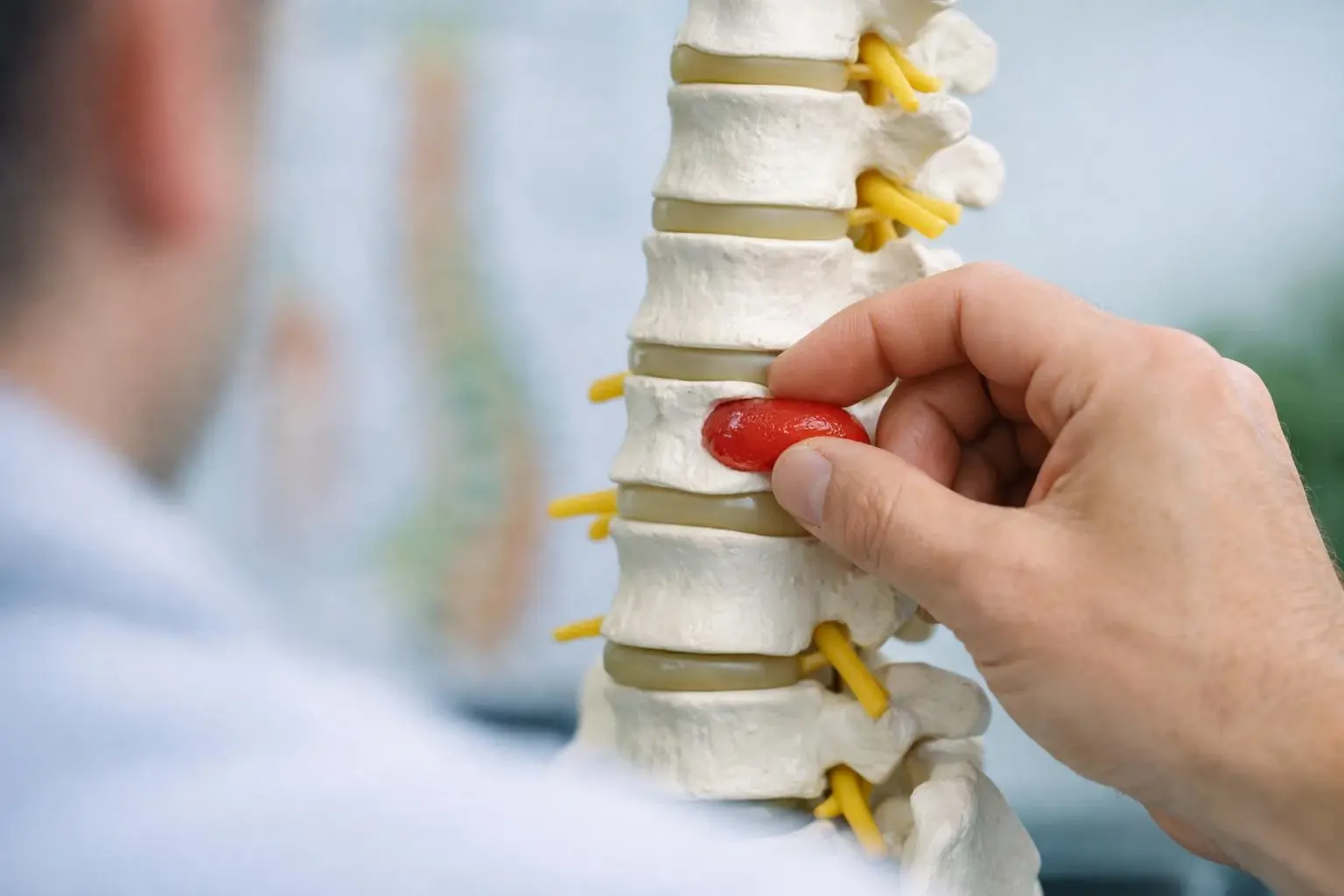
A herniated disc occurs when one of the rubbery cushions (discs) between the bones (vertebrae) of the spine becomes damaged. Each disc has a soft, jelly-like center called the nucleus and a tougher outer layer called the annulus. When a tear in the annulus allows the nucleus to push through, it can irritate nearby nerves. This irritation often leads to pain, tingling. Or weakness in the area of the body connected to the affected nerve.
Related glossary terms: Pinched Nerve, Spinal Stenosis, Low Back Pain.
Herniated discs are most common in the lower back (lumbar spine) and the neck (cervical spine). They can happen suddenly, such as after a fall or heavy lifting. Or develop gradually due to wear and tear over time. While aging is a natural factor—discs lose water content and become less flexible—activities like repetitive bending, twisting. Or poor posture can increase the risk. Not all herniated discs cause symptoms; some people may not realize they have one until it shows up on imaging tests like an MRI.
How Herniated Disc Works?
The spine is designed to absorb shock and allow movement, with discs acting as cushions between vertebrae. When a disc herniates, the leaked material can press directly on a spinal nerve root or the spinal cord itself. Nerves carry signals between the brain and the rest of the body. So compression can disrupt these signals, leading to symptoms like sharp pain, numbness. Or muscle weakness. For example, a herniated disc in the lower back may cause sciatica, a condition where pain radiates down the leg.
Diagnosing a herniated disc typically involves a physical exam and imaging tests. A doctor or chiropractor may check reflexes, muscle strength. And sensation to pinpoint the affected nerve. Imaging tests like MRI or CT scans provide detailed pictures of the spine to confirm the location and severity of the herniation. In some cases, nerve tests like electromyography (EMG) may be used to measure electrical activity in muscles and identify nerve damage.
Why Herniated Disc Matters?
A herniated disc can significantly impact daily life, making it difficult to sit, stand. Or move without discomfort. If left untreated, severe cases may lead to chronic pain or permanent nerve damage, affecting mobility and quality of life. Early intervention, such as physical therapy, chiropractic care. Or pain management, can help reduce symptoms and prevent long-term complications. Understanding the condition also helps individuals make informed decisions about treatment options, from conservative approaches like rest and exercise to more advanced interventions like injections or surgery.
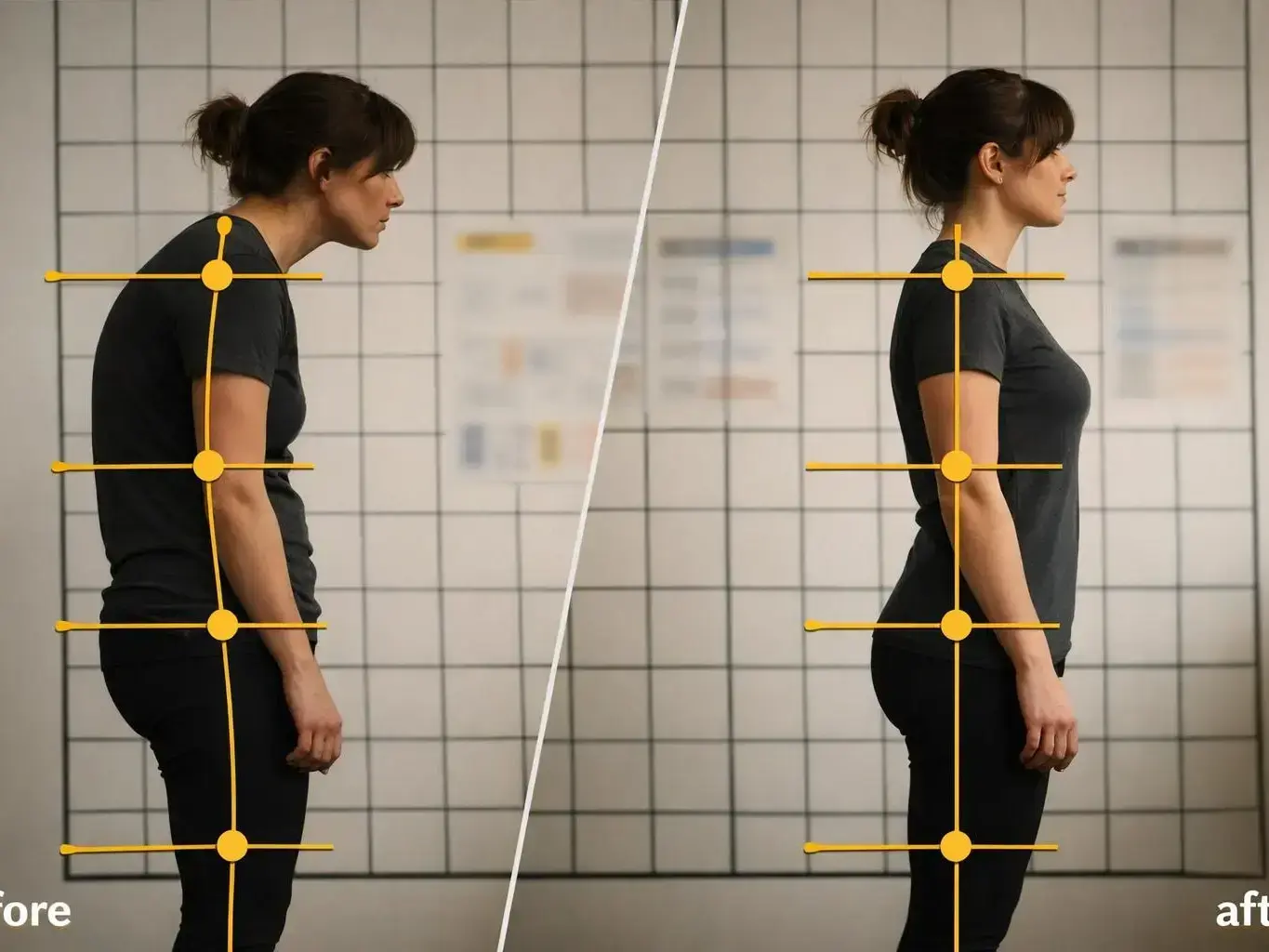
For many people, herniated discs improve with time and non-surgical treatments. But recognizing the signs and seeking professional evaluation is important to rule out other conditions, such as spinal stenosis or a pinched nerve, which may require different treatments. Managing symptoms early can also reduce the risk of developing secondary issues, like muscle imbalances or poor posture, which can worsen over time.
When Herniated Disc Matters Most?
Herniated discs are most concerning when they cause severe or worsening symptoms, such as loss of bladder or bowel control, extreme weakness in the legs. Or numbness in the saddle area (the area that would touch a saddle). These signs may indicate cauda equina syndrome, a rare but serious condition requiring immediate medical attention. For most people, symptoms like mild pain or tingling may not be urgent but still warrant evaluation, especially if they interfere with daily activities or work.
In practice, Certain situations increase the likelihood of a herniated disc becoming problematic. Jobs or hobbies involving heavy lifting, repetitive motions. Or prolonged sitting can aggravate the condition. Athletes, manual laborers. And older adults are at higher risk due to physical demands or age-related disc degeneration. And sudden injuries, such as car accidents or falls, can cause herniated discs that require prompt care to prevent long-term damage. In Hendersonville, TN, where outdoor activities and physically demanding jobs are common, herniated discs are a frequent concern addressed by chiropractors and healthcare providers.