Glossary

What is Low Back Pain?

Low Back Pain is discomfort or pain located in the lower part of the spine, between the bottom of the rib cage and the top of the legs. Low Back Pain can be sharp, dull, constant. Or intermittent and may radiate to the buttocks or legs. It often results from muscle strain, ligament sprain, disc injury. Or joint irritation. And can affect daily activities like sitting, standing. Or walking.

Reviewed by Advanced Injury Care ClinicSources reviewed: National Institute of Neurological Disorders and Stroke, Mayo Clinic

Quick Facts About Low Back Pain

Category

Musculoskeletal condition

Used for

Diagnosing spine, muscle. Or nerve issues

Common confusion

Often mistaken for kidney pain or sciatica without proper evaluation

Also called

Lumbar Pain, Lower Back Pain

Often discussed with

Back Pain Treatment, Work Injury Treatment

Key Takeaways About Low Back Pain

Understanding Low Back Pain
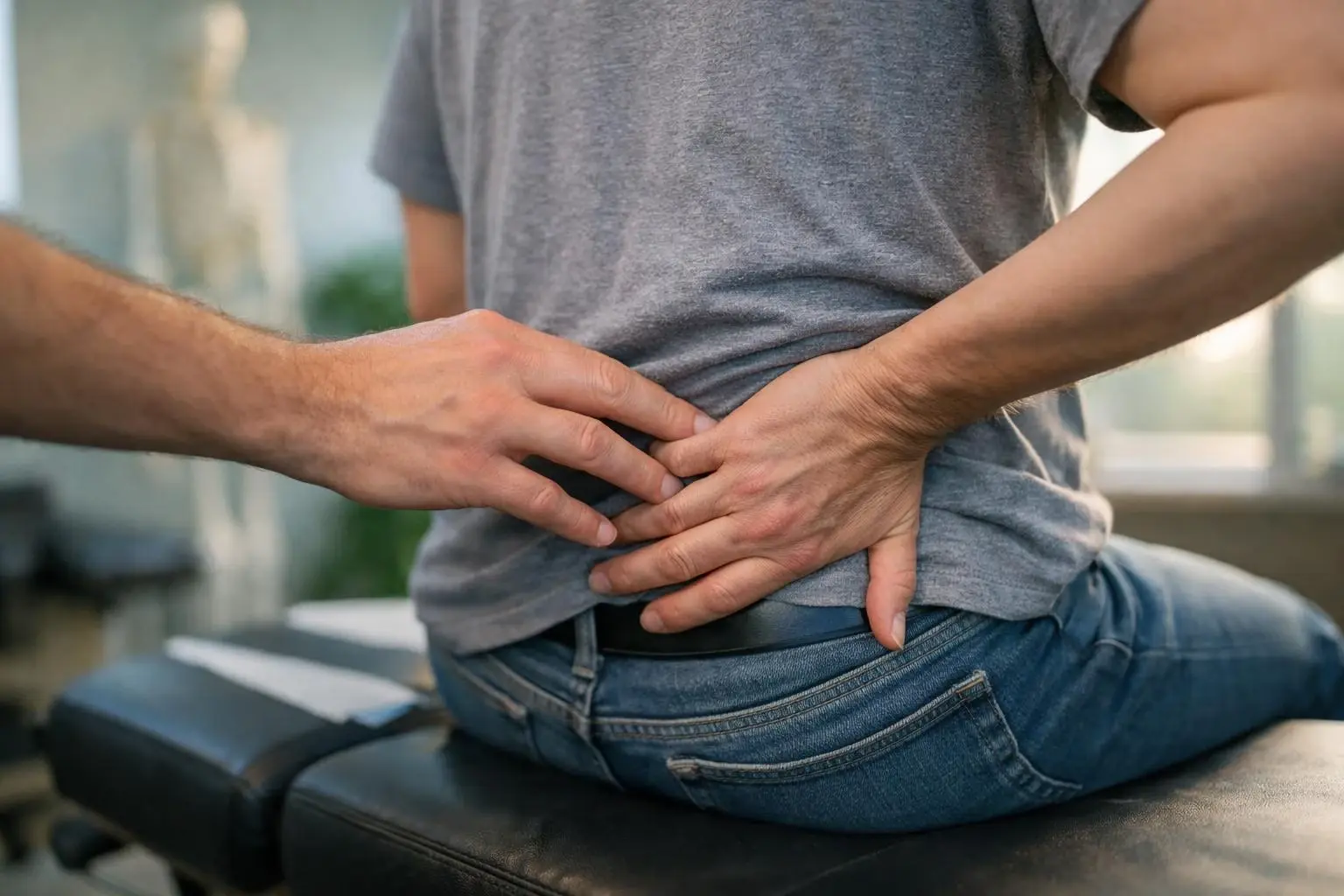
Low Back Pain in Chiropractor: Low Back Pain is discomfort or pain located in the lower part—visual guide

Many people see doctors for low back pain. The lower back holds up much of your weight. It helps you bend, twist. And lift.

Related glossary terms: Disc Herniation, Muscle Strain, Spinal Stenosis.

This area can get hurt or strained easily. Pain here can be mild or very bad. It may stop you from working, sleeping. Or doing daily tasks.

Most cases get better in a few weeks. Some need a doctor to find the cause.

The lower back has bones called vertebrae. It also has discs that cushion the bones. Muscles, ligaments. And nerves are there too.

Pain happens if any of these get hurt or sore. Lifting wrong can strain muscles. It can also sprain ligaments (tough bands that connect bones).

Sitting too long with bad posture can stress discs. Over time, wear and tear can cause arthritis (joint pain) or herniated discs.

How Low Back Pain Works?

Low back pain often starts when parts of the spine get hurt. Muscles, ligaments, discs. Or joints may be overworked. They can get injured or swollen.

Muscle strain happens when back muscles stretch too far. They can tear from sudden moves or lifting heavy things. Ligament sprains are similar.

Discs act like cushions between bones. They can bulge or herniate (push out). This happens when the soft inside pushes through a weak spot.

Nerves can also cause low back pain. The sciatic nerve runs from the back down the legs. It can get squeezed or swollen.

This causes pain, numbness. Or tingling. It may go into the buttocks or legs. This is called sciatica.

Sciatica often comes from herniated discs. It can also come from spinal stenosis (a narrow spine). Joints can cause pain too.

Facet joints connect the bones. They can get sore or wear out over time.

Doctors find the cause of low back pain in a few ways. They may do a physical exam. They’ll ask about your health history.

They might use X-rays or MRI scans (pictures of the inside). These show problems like breaks or herniated discs. Not all cases need these tests.

If pain is mild, rest and care at home may help.

Why Low Back Pain Matters?
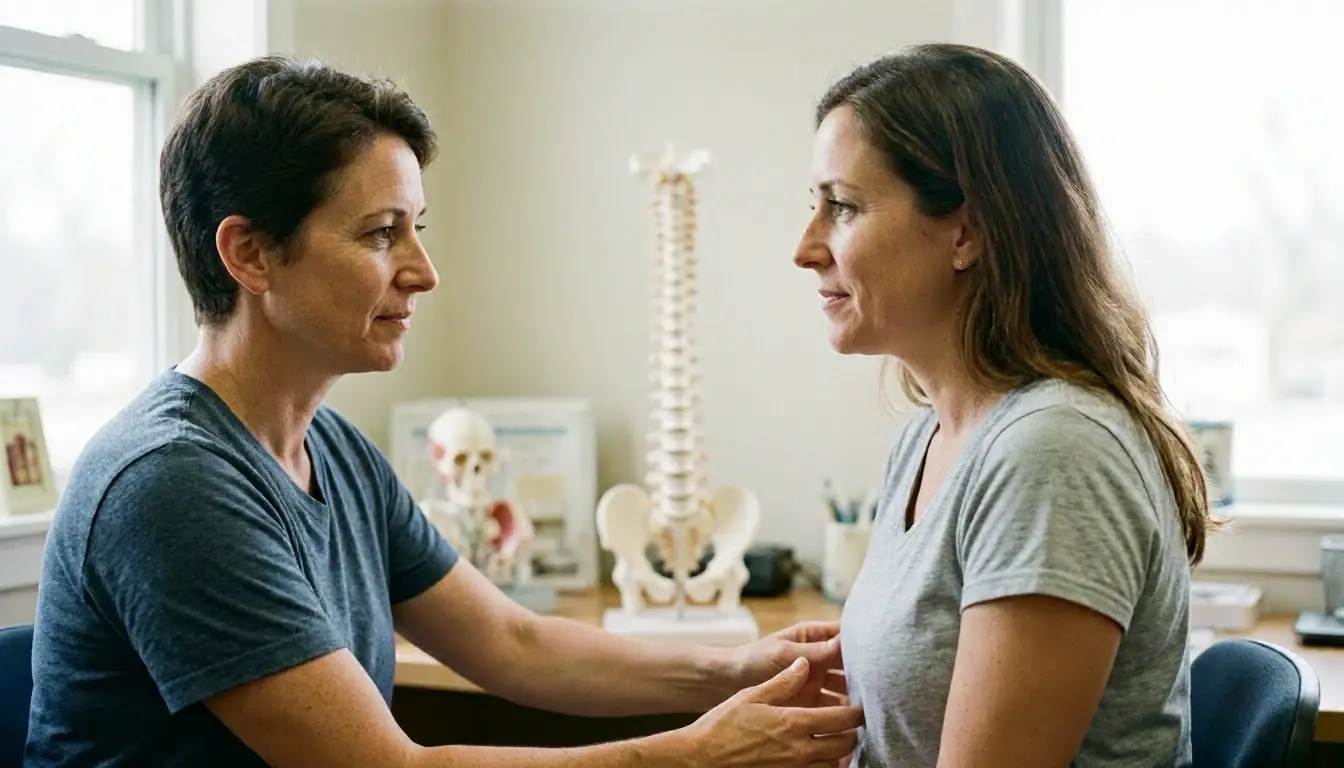
How Low Back Pain applies to Chiropractor services in Hendersonville, United States—practical illustration

Low back pain is a top cause of disability. It affects people of all ages and jobs. It can stop you from working or exercising.

Simple things like tying shoes may hurt. For many, pain goes away with rest or ice. Over-the-counter medicine can help too.

But for others, pain lasts for months or years. This is called chronic pain. It can make people feel sad or worried.

It can lower quality of life. So it’s key to treat both body and mind.

Low back pain costs a lot of money. It causes missed workdays. It lowers how much people can do at work.

This costs billions each year. Employers may need to help workers. They might give special chairs or change job tasks.

Fixing pain early can stop long-term problems. It can cut costs like surgery or therapy.

When Low Back Pain Matters Most?

Some low back pain needs quick care. Pain after a fall or accident may mean a break. It could also mean a herniated disc.

Very bad pain or numbness needs a doctor fast. Weakness or trouble controlling your bladder is serious. These may mean nerve damage.

Cauda equina syndrome is an emergency. Get help right away.

Pain can make work hard. Jobs with lifting or sitting may hurt more. Repetitive motions can also cause pain.

Special chairs or changes to tasks may help. Physical therapy or chiropractic care can too. These can stop more injury.

People with arthritis or osteoporosis (weak bones) get pain more often. They may need special ways to manage it.

Older adults need to watch for low back pain. Aging raises risks like spinal stenosis. Discs can wear out too.

Some changes are normal. But bad pain should not be ignored. Exercise or better posture can help.

Manual therapies can keep people moving. This helps them stay independent as they age.

How to Evaluate Low Back Pain?

Related Concepts Compared

Low Back Pain vs. Sciatica

Sciatica is a specific type of Low Back Pain caused by irritation of the sciatic nerve, leading to pain that radiates down the leg. Low Back Pain is a broader term that includes many causes, not just nerve-related issues.

Low Back Pain vs. Muscle Strain

Muscle strain refers to an injury to the muscles or tendons in the back, often from overuse or sudden movements. Low Back Pain is a symptom that can result from muscle strain. But it can also stem from other causes like disc herniation or arthritis.

Low Back Pain vs. Herniated Disc

A herniated disc occurs when a spinal disc bulges or ruptures, potentially pressing on nerves. Low Back Pain is a symptom that may result from a herniated disc. But not all Low Back Pain involves disc herniation.

Expert Note

Low Back Pain is often multifactorial, meaning multiple issues—like muscle tightness, joint dysfunction. And poor posture—can contribute simultaneously. Addressing all these factors, rather than focusing on just one, typically leads to better outcomes.

Common Mistakes or Myths About Low Back Pain

  • Ignoring pain that radiates into the legs, assuming it’s just muscle soreness.
  • Using heat too soon after an injury, which can increase swelling and worsen pain.
  • Continuing activities that cause pain, thinking it will "work itself out.".
  • Assuming all Low Back Pain is the same and self-treating without identifying the cause.
  • Delaying medical care for severe or persistent pain, which can lead to chronic issues.

Low Back Pain in Practice: A Real-World Example

After lifting a heavy box at work, a warehouse employee feels a sharp pain in their lower back. The pain worsens when they bend or twist. And by the next morning, it radiates into their left buttock. They apply ice and take over-the-counter pain relievers. But the pain persists for over a week. A visit to a healthcare provider reveals a muscle strain. And they begin physical therapy to strengthen their back and improve flexibility.

Sources & Further Reading on Low Back Pain

Related Services

Related Terms

Disc Herniation

Disc herniation is a spinal condition where the soft, gel-like center of a spinal disc pushes through a tear in the tougher outer layer. This can irritate nearby nerves, causing pain, numbness. Or weakness in the back, arms. Or legs. Disc herniation often occurs in the lower back or neck and is commonly linked to aging, injury. Or improper lifting.

Muscle Strain

Muscle Strain is an injury that occurs when muscle fibers stretch too far or tear due to overuse, sudden force. Or improper movement. Muscle Strain often causes pain, swelling. And limited movement in the affected area. It commonly affects muscles in the back, neck, shoulders. And legs, especially during physical activity or heavy lifting.

Spinal Stenosis

Spinal Stenosis is a narrowing of the spaces within the spine, which can put pressure on the nerves that travel through it. This condition most commonly occurs in the lower back and neck and often develops gradually due to aging, arthritis. Or wear-and-tear changes in the spine. Symptoms may include pain, numbness, muscle weakness. And difficulty walking or standing for long periods.

Chiropractic Adjustment

Chiropractic Adjustment is a hands-on procedure where a licensed chiropractor applies controlled force to a specific joint in the spine or other body part. The goal is to improve alignment, reduce nerve irritation. And restore normal motion. Adjustments are commonly used to relieve back pain, neck pain, headaches.

Advanced Injury Care Clinic

Have Questions About Low Back Pain?

Contact Advanced Injury Care Clinic for practical guidance on Low Back Pain and related chiropractor work in Hendersonville.

+1 615-777-0624