Understanding Intersegmental Traction

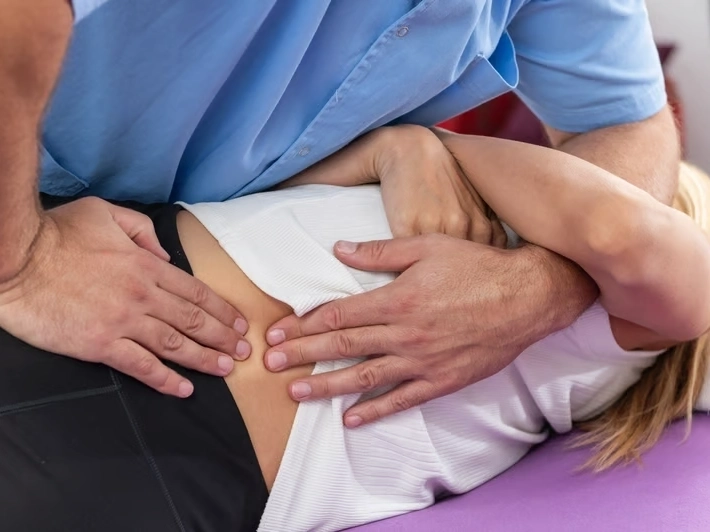
Intersegmental Traction is a form of chiropractic therapy designed to boost spinal function by gently stretching the vertebrae. The treatment uses a specialized table equipped with rollers that move up and down the spine. These rollers apply a rhythmic, rolling motion that mobilizes each spinal segment individually. Unlike manual adjustments, which involve sudden thrusts, Intersegmental Traction is passive, meaning the patient lies still while the table does the work.
Related glossary terms: Chiropractic Adjustment, Spinal Decompression, Flexion-Distraction.
The goal of this therapy is to restore normal motion to the spine, which can become restricted due to injury, poor posture. Or prolonged sitting. When spinal segments lose mobility, surrounding muscles and ligaments can tighten, leading to discomfort and reduced flexibility. Intersegmental Traction helps counteract this stiffness by encouraging the vertebrae to move more freely. This can be particularly beneficial for individuals with chronic back pain or those recovering from injuries.
How Intersegmental Traction Works?
The mechanism behind Intersegmental Traction involves the rolling action of the table, which creates a gentle, repetitive stretch along the spine. As the rollers move, they lift and separate each vertebra slightly, allowing the spinal discs to decompress. This decompression can help improve circulation, as the movement encourages blood flow to the discs and surrounding tissues. Better circulation means more oxygen and nutrients reach the spine, which supports healing and reduces inflammation.
For local customers, The therapy typically lasts between 10 to 20 minutes per session. During the treatment, the patient lies face-up on the table, fully clothed. While the rollers move along the length of the spine. The pressure and speed of the rollers can be adjusted to suit the patient’s comfort level. Because the treatment is passive, it's often relaxing. And many patients report feeling a soothing stretch during the session. The effects are cumulative, meaning regular sessions may lead to greater improvements in spinal mobility and pain relief over time.
- The table’s rollers create a gentle, rhythmic stretch along the spine.
- Each spinal segment is mobilized individually to restore motion.
- Decompression of the discs improves circulation and nutrient delivery.
- Treatment duration is typically 10 to 20 minutes per session.
Why Intersegmental Traction Matters?
Intersegmental Traction matters because it addresses one of the root causes of back pain: restricted spinal motion. When vertebrae become stiff or misaligned, they can irritate nerves, strain muscles. And accelerate wear and tear on the spinal discs. By restoring mobility to these segments, the therapy helps reduce pain and prevent further damage. This is especially important for individuals with conditions like degenerative disc disease, herniated discs. Or chronic back stiffness, as these issues often worsen without proper intervention.
Another key benefit of Intersegmental Traction is its ability to complement other chiropractic treatments. For example, it can be used alongside spinal adjustments to boost their effectiveness. While adjustments focus on realigning the spine, Intersegmental Traction helps maintain that alignment by keeping the spine flexible and mobile. This combination can lead to longer-lasting relief and better overall spinal health. And the therapy is non-invasive and gentle, making it suitable for patients who may not tolerate more aggressive treatments.
When Intersegmental Traction Matters Most?
Intersegmental Traction is most beneficial for individuals experiencing stiffness, reduced spinal mobility. Or chronic back pain. It is often recommended for patients recovering from injuries, such as car accidents or sports-related strains, where the spine may have become tight or misaligned. The therapy is also helpful for those with sedentary lifestyles, such as office workers or drivers, who spend long hours sitting and may develop postural imbalances. By addressing these issues early, Intersegmental Traction can help prevent more serious problems, such as disc herniation or nerve compression, from developing.
This treatment is also valuable for older adults or individuals with conditions like osteoarthritis, where spinal mobility naturally declines with age. In these cases, Intersegmental Traction can help maintain flexibility and reduce discomfort without the need for more invasive procedures. And athletes or active individuals may use the therapy to keep their spines limber and prevent injuries. While Intersegmental Traction is not a cure-all, it plays an important role in a full chiropractic care plan, particularly for those seeking non-surgical solutions to back pain and stiffness.